Backyard Privacy Screening: Plants and Structures That Actually Work
You don’t need a full renovation to stop feeling like you’re on display in your own backyard. Most privacy problems come down to one of four things: the street, a neighbour’s upstairs window, the pool or spa area, or the spot where you actually sit and entertain. Working out which one you’re solving for changes everything about what you should buy or build.
A street-facing screen just needs to break sightlines at footpath height. A neighbour’s upstairs window is a different problem entirely, because you’re fighting gravity and looking at a much taller screen or a well-placed tree. Get clear on the actual sightline before you spend a cent, because the wrong screen in the right spot still won’t fix the problem.
Fast-growing screening plants vs the wait for real coverage
Plants are the cheapest way to screen a yard, and they’re also the slowest. Bamboo, lilly pilly, viburnum and photinia all get recommended as “fast growing,” and most of them are, relative to other plants. But fast growing in nursery terms can still mean two or three years before you get a genuinely solid screen, not two or three months.
Clumping bamboo is popular because it grows quickly and stays dense, but it needs a root barrier if you’re anywhere near a boundary, a slab or underground pipes. Skip the barrier and you’re dealing with runners turning up in the neighbour’s yard, which is its own kind of awkward conversation. Lilly pilly hedges are a safer, slower-growing alternative with less root drama, but you’re trading speed for peace of mind.
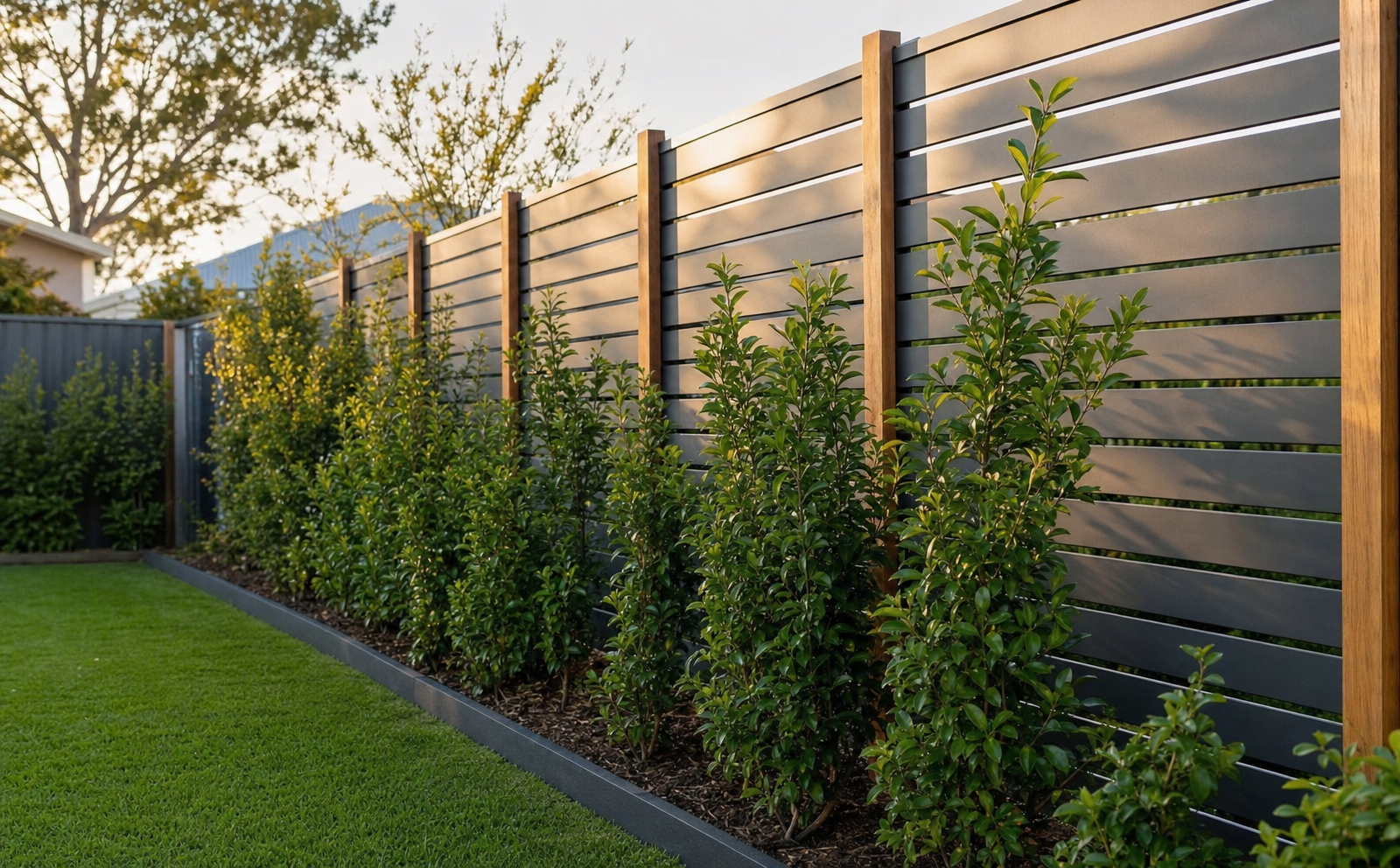
If you want greenery and you want it now, the honest answer is to combine a young hedge with a temporary screen (lattice, shade cloth, or a simple timber frame) that holds the line while the plants catch up. Nobody tells you that in the plant nursery, but it’s how most established screens actually got there.
Prefab panels, lattice and slatted screens
Manufactured screening skips the wait entirely. Slatted timber or composite panels, lattice panels, and woven screening rolls all go up in a weekend and start working immediately, which is the whole appeal.
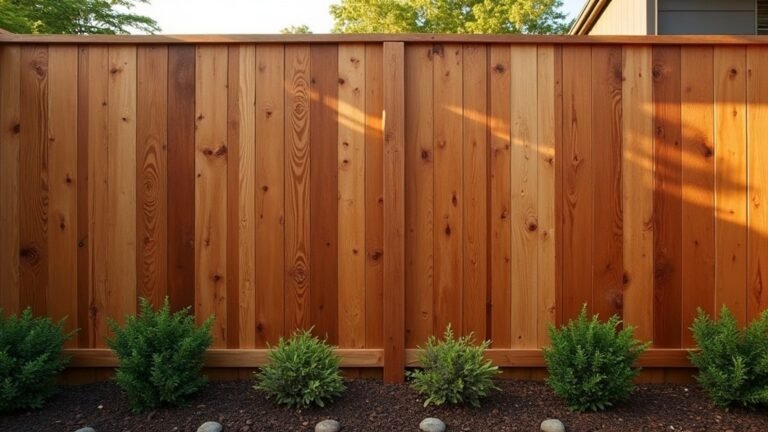
- Slatted timber or composite panels: instant coverage, a clean modern look, but timber needs ongoing maintenance and composite costs more upfront.
- Lattice panels: cheap and easy to install, but on their own they only filter a view rather than block it, so they work better paired with a climbing plant.
- Woven screening (reed, bamboo roll, shade cloth): the fastest and cheapest fix going, but it’s also the shortest-lived, and it looks temporary because it usually is.
The trade-off with anything prefab is durability. A cheap screen in full sun and coastal wind can look tired within a couple of years, while a well-built timber or composite panel system can genuinely last. If you’re screening a spot you’ll look at every day from the kitchen window, it’s worth paying for something that still looks good in year three.
Taller structures: pergola screens and privacy walls
Once you’re past knee-high hedges and standard fence-line panels, you’re into structural territory. A pergola with slatted screening built into one or two sides can solve both shade and privacy in the same project, which is why it’s such a common upgrade around entertaining areas and pools. A freestanding privacy wall does a similar job without the roof, and it’s often the cleanest option when you need to block a specific sightline rather than shade the whole zone.
These structures cost more than a fence panel, but they’re also doing more work: they frame the space, they’re permanent, and they don’t need three years to grow in.
Boundary rules and your neighbours
Before you build anything tall on or near a boundary, check your local council’s rules. Fence and screen heights, dividing-fence obligations, and what counts as a “structure” requiring approval all vary by state and by council, so don’t rely on what worked for a mate two suburbs over. A quick call to your council (or a look at their website) before you build saves you from a much more expensive conversation about pulling something down later.
It’s also worth actually talking to the neighbour before a tall screen goes up on a shared boundary, especially if it affects their light or view. Most disputes over screening come from people finding out after the fact, not from the screen itself.
When to bring in a builder instead of DIY panels
Standalone panels and a weekend with a drill will cover most backyards fine. But once a screen becomes part of a bigger structure (integrated into a pergola, tied into an extension, or built as a permanent wall that needs proper footings), it stops being a DIY panel job and starts being a construction project with engineering and approval considerations attached.
That’s the point where it’s worth talking to a builder who can design the screen as part of the wider build rather than bolting it on afterwards. A team like Iconic Homes and Construction can fold a privacy wall or integrated screen into a renovation properly, so it matches the house, meets the relevant building requirements, and doesn’t end up looking like an afterthought.
Fast and cheap, or permanent and built: a simple way to decide
If you need privacy now and don’t mind revisiting it in a few years, go with prefab panels or fast-growing planting, or both together. If you’re planning to stay put and want something that adds real value to the property, a proper structure (pergola screen, built wall, or a mix of hedge plus permanent frame) is the better long-term call.
Most backyards end up using a bit of both: a quick fix while the greenery grows in, and a genuine structure where privacy really matters, like around the pool or the spot where you sit every evening. Work out which zones need which approach before you buy anything, and you’ll avoid paying twice.