Are Herbs Easy To Grow
Have you ever found yourself standing at the sink, a bundle of store-bought basil sweating in your hands, wondering if you could keep something like that alive on your windowsill?

Are Herbs Easy To Grow
You’re asking the sensible question. Growing herbs often looks deceptively simple in photos and on TV shows: a tidy pot, a sprig of green, fragrant leaves close at hand. In real life, you’re juggling light, water, pests, and your own schedule. The good news is that herbs are among the most forgiving plants you can grow, but “easy” depends on which herbs you choose, where you place them, and how you pay attention to details that most people overlook.
How to read this guide
You’ll find practical advice, small observations that feel familiar, and clear steps. The aim is to give you enough confidence to begin and enough nuance to keep a patch of green thriving. You’ll get lists, tables, and troubleshooting tips so you can fix problems without feeling crushed by plant care manuals.
Why people think herbs are easy to grow
Herbs have a reputation for being low-maintenance, and for good reason. Many are adapted to sunny, often dry habitats; they tolerate irregular watering and modest soil. They reward quick attention—snip a few leaves and your meal is transformed. If you like instant usefulness and rapid visual progress, herbs will please you.
At the same time, that reputation can mislead you into skipping basics. Herbs won’t perform miracles if you ignore light or pot drainage. You’ll get the best results when you balance simplicity with a little reliable routine.
Which herbs are truly easy for beginners
You want herbs that stick with you through busy weeks and occasional neglect. These are excellent starters.
Easiest herbs to grow
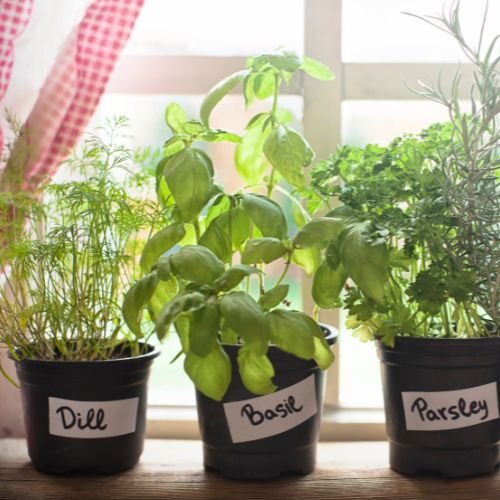
- Basil: Fast-growing, flavorful, ideal in pots and in warm weather.
- Mint: Nearly indestructible, sometimes too vigorous; best contained.
- Chives: Tidy clumps of oniony leaves, hardy and perennial in many zones.
- Oregano: Drought-tolerant, great for Mediterranean flavors.
- Thyme: Slow, woody stems, thrives in poor soil and sunny spots.
- Rosemary: Shrubby and fragrant, prefers sun and good drainage.
- Sage: Woody, soft leaves, tolerant of dry conditions and cooler winters.
Each of these has habits that are forgiving. You’ll find them accommodating whether you plant seeds, cuttings, or nursery starts.
Choosing where to grow your herbs
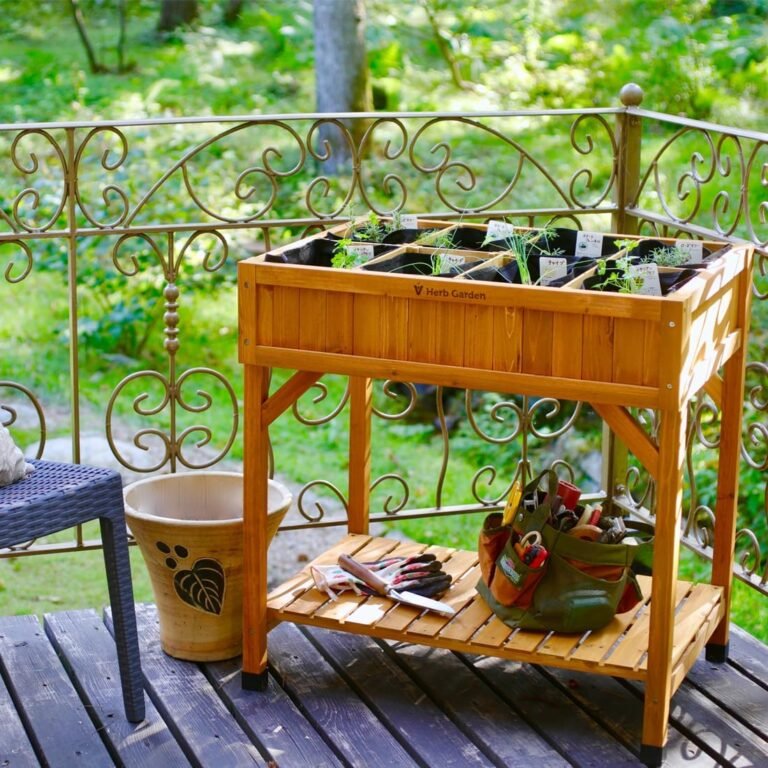
You can grow herbs indoors, on a balcony, in a garden bed, or in containers on a patio. Where you decide to place them shapes your daily routine.
Light considerations
Most culinary herbs prefer at least 6 hours of direct sun. If your only window faces east or west, you can still succeed with careful placement. Some herbs—mint, parsley, cilantro—tolerate partial shade and might be happier in bright indirect light.
Soil and drainage
Good soil is the backbone of healthy herbs. You don’t need a perfect potting mix, but you do need drainage. Herbs dislike waterlogged roots. For containers, use a free-draining potting mix and make sure pots have drainage holes.
Containers vs. ground planting
Containers are forgiving: easier to control soil, simpler for moving plants to better light, and practical for small spaces. In-ground planting gives roots more room and stability, and perennial herbs like rosemary and thyme may overwinter better in the ground in suitable climates.
Planting: seeds vs. seedlings vs. cuttings
Each method has advantages and trade-offs.
Starting from seed
Seeds are inexpensive and fun to watch sprout. They require some patience and consistent moisture early on. Some herbs, like basil and dill, germinate quickly; others, like rosemary, are slow or tricky from seed.
Using seedlings or starter plants
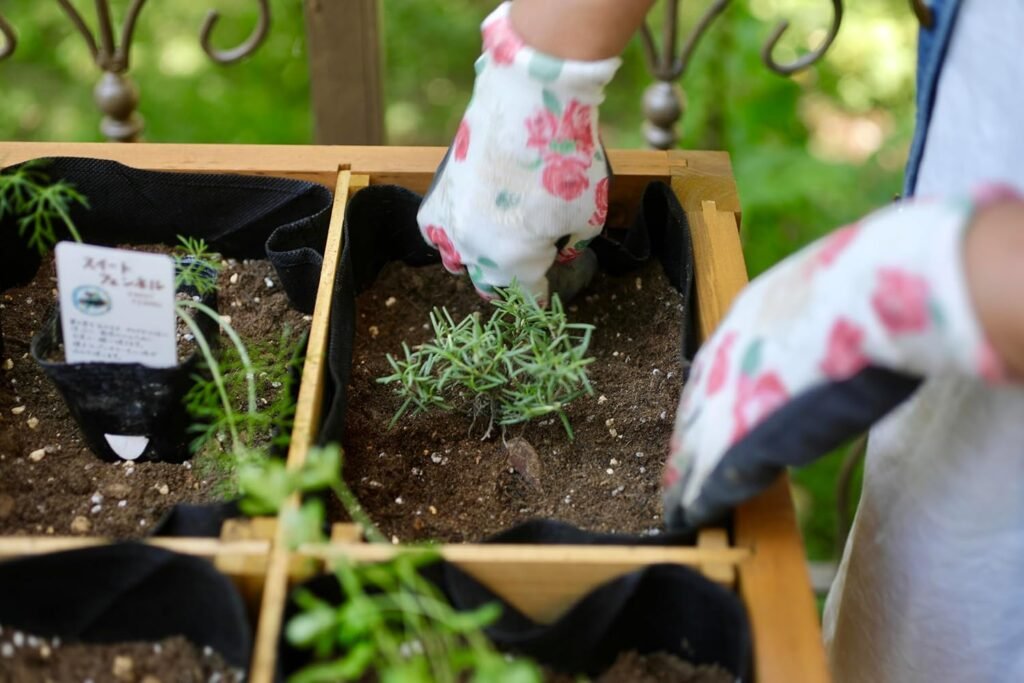
Buying young plants at a nursery gives you a head start. You’ll be harvesting sooner and avoid the nervous period when seeds are tiny and vulnerable.
Propagation by cuttings or division
Many herbs reward you with easy propagation. You can root a rosemary or mint cutting in water, or divide clumps of chives and oregano to quickly create new plants. This is the gardener’s equivalent of copying a recipe that works.
Watering: the rule you’ll want to remember
Water regularly but avoid overwatering. Herbs mostly prefer to dry out a bit between waterings. In hot weather or small pots, you’ll water more often. In cooler months, reduce frequency.
A simple test: stick your finger an inch into the soil. If it’s dry at that depth, water. If it’s still cool and moist, wait. You’ll learn the rhythm of your particular pots and windowsill after a few weeks.
Light, placement, and movement
You’ll probably start with a favorite sunny window. Monitor how light moves across the room. Rotate pots every few days so herbs develop evenly and don’t lean.
Grow lights can rescue herbs if your home lacks adequate natural light. An LED grow light on a timer gives predictable results and is especially useful in winter.
Feeding and soil amendments
Herbs don’t demand heavy fertilization. Use a balanced, water-soluble fertilizer at half-strength every 4–6 weeks for container herbs. If you have herbs in the ground with rich soil, you can usually skip regular feeding.
Be cautious with fertilizer for mint and basil; too much nitrogen creates lush leaves but can weaken flavor and reduce essential oils.
Pruning, harvesting, and shaping
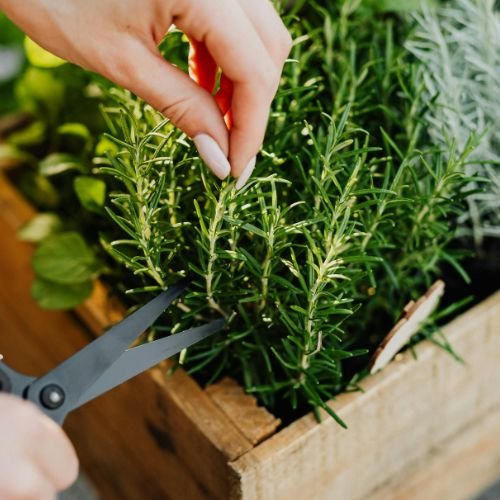
You grow herbs to use them, and harvesting is also a form of pruning that keeps herbs productive. Trim the top third of an herb’s growth to encourage bushiness. Don’t harvest more than one-third of a plant at any one time.
Some herbs, like basil, should be pinched back before flowering to maintain leaf production. Woody herbs—rosemary, thyme, sage—benefit from light pruning in spring to keep stems vigorous.
Seasonal care and overwintering
Your care changes with the seasons. In summer you’re watching for heat stress and frequent watering; in winter you’re watching light and indoor humidity.
- Annuals (basil, cilantro, dill): Grow these in warm months; you’ll replant each year or start new seed indoors.
- Perennials (rosemary, thyme, sage): Protect these from extreme cold if you live in frost-prone areas, or keep them in containers you can move indoors when a severe frost is expected.
- Biennials and short-lived perennials (parsley, chives): Expect a few years of productivity; replace as needed.
Pests and common problems
Even the simplest herb patch may attract aphids, spider mites, or fungal issues. Most problems are manageable with observation and quick action.
Common pests and remedies
- Aphids: Blast with water or use insecticidal soap.
- Spider mites: Increase humidity and wash leaves.
- Slugs/snails: Handpick or use traps in outdoor gardens.
- Whiteflies: Yellow sticky traps and insecticidal soap can help.
Prevent fungal disease by ensuring good air circulation and avoiding overhead watering at night.

Propagation techniques you’ll use often
You’ll enjoy the economy of cutting and division. These methods let you multiply favorites and pass plants to friends who will appreciate a living gift.
How to root softwood cuttings (simple steps)
- Cut a 3–4 inch tip from a non-woody (soft) stem.
- Remove lower leaves and dip cut end in rooting hormone if you like.
- Place in water or a well-draining mix and keep moist.
- Roots appear in 1–3 weeks for most herbs.
Division
For clumping herbs like chives and mint, dig up the plant and separate into smaller clumps. Replant promptly.
Companion planting and garden friends
You can design an herb bed that supports both flavor and health. Herbs such as basil support tomatoes, while oregano can act as a living mulch. Be cautious with mint: plant it alone in a pot or it will run rampant.
Design ideas for small spaces
If your space is limited, you can still create an efficient herb arrangement. Vertical planters, rail boxes, and tiered trays make good use of light and allow you to keep different water needs separate.
Sample small-space layout
- Sunny sill: basil, thyme, chives
- Balcony railing box: oregano, parsley, marjoram
- Shaded corner: mint in a deep pot to contain runners
A helpful table of common herbs and their needs
| Herb | Ease | Light | Water | Best for |
|---|---|---|---|---|
| Basil | Easy | Full sun | Moderate | Pesto, salads, sauces |
| Mint | Very easy (invasive) | Partial sun | Moderate-high | Tea, desserts, drinks |
| Chives | Very easy | Full-partial sun | Moderate | Garnish, mild onion flavor |
| Oregano | Easy | Full sun | Low-moderate | Italian dishes, pizza |
| Thyme | Easy | Full sun | Low | Roasts, soups, Mediterranean |
| Rosemary | Moderate | Full sun | Low | Roasts, marinades, scent |
| Sage | Moderate | Full sun | Low | Rich, savory dishes |
| Parsley | Moderate | Partial-full sun | Moderate | Versatile garnish |
| Cilantro | Moderate (short-lived) | Partial sun | Moderate | Salsas, fresh flavors |
| Dill | Moderate | Full sun | Moderate | Pickling, fish, salads |
| Tarragon | Moderate | Full sun | Moderate | French dishes, sauces |
| Lemon balm | Easy | Partial sun | Moderate | Tea, salads, calming scent |
This table gives you a quick reference for what to plant based on your space and culinary priorities. Remember that “ease” is influenced by climate and care.
Troubleshooting: signs and quick fixes
You’ll recognize problems sooner when you know the common signs. Below is a concise table with symptoms and remedies.
| Symptom | Likely cause | Quick fix |
|---|---|---|
| Yellowing leaves | Overwatering or poor drainage | Let soil dry, check drainage, repot if necessary |
| Wilting in morning | Underwatering or root stress | Water thoroughly, check root health |
| Leggy plants | Insufficient light | Move to brighter location, pinch back growth |
| Brown leaf tips | Low humidity or salt build-up | Flush soil with water, increase humidity |
| White powder on leaves | Powdery mildew | Improve air circulation, remove affected leaves |
| Stunted growth | Nutrient deficiency or root-bound | Feed lightly, repot into larger container |
If a plant fails despite your best efforts, don’t be harsh on yourself. You’ll learn from it. Sometimes the plant’s fate is a story that ends with buying a stronger specimen and trying again.
Saving and drying herbs: preserving your harvest
You’ll want to keep herbs beyond their immediate week of use. Drying and freezing are easy and retain flavor when done well.
Drying tips
- Harvest in the morning after dew evaporates.
- Tie stems in small bunches and hang in a warm, dry, well-ventilated area.
- For tender herbs like basil and mint, consider quick freezing in small bags or making herb ice cubes in olive oil.
Freezing tips
- Chop herbs and freeze in ice cube trays with water or oil.
- Remove from trays and store in labeled freezer bags for long-term use.
Flavor and timing: when to harvest for best taste
You’ll notice that timing affects flavor. Harvest leaves before the plant flowers for the brightest taste. For many herbs, the peak flavor comes just before flowering when essential oil concentration is highest.
If you let basil flower, it’ll set seed and the leaves will become slightly bitter. Pinch off flower buds to prolong leaf production.
Recipes and uses that make gardening meaningful
You’ll be more attentive to your herbs when you use them frequently. Here are a few simple ideas that keep herbs in rotation:
- Basil: pesto, caprese, pasta garnish.
- Mint: iced tea, mojitos, fresh salads.
- Chives: eggs, potatoes, creamy dips.
- Rosemary: roast chicken, roasted potatoes, infused oils.
- Thyme: soups, stews, braised meats.
- Parsley: chimichurri, tabbouleh, finishers.
Using herbs regularly links kitchen work to plant care; one feeds the other.
Common mistakes and how to avoid them
You’ll probably make a few mistakes in your first season. Expect that; it’s part of learning.
- Mistake: Overpotting. Big pots mean more soil and slower warming; small plants can get lost. Pick a pot that fits the plant’s eventual size.
- Mistake: Crowding plants. Give herbs space for air circulation to prevent fungal diseases.
- Mistake: Too much fertilizer. Herbs want flavorful stress; rich feeding dilutes taste.
- Mistake: Forgetting to rotate containers. Plants grow toward light and become lopsided without rotation.
Recognizing these errors helps you correct them early and keep plants healthy.
Advanced tips for the curious
As you gain confidence, you’ll appreciate finer points that affect flavor and yield.
- Stress some herbs lightly by letting soil dry between waterings to boost essential oils (useful for rosemary, thyme).
- Harvest in the morning after dew has dried; oils are most concentrated then.
- Companion plant herbs with vegetables to manage pests naturally—basil near tomatoes is a classic pairing.
These small shifts give you nuanced control over how your herbs taste and perform.
A seasonal checklist for your herb garden
You’ll find routine comforting. Use this seasonal guide to structure care without obsessive checking.
- Spring: Repot, divide, start seeds; prune woody herbs lightly.
- Summer: Harvest frequently, water regularly, watch for pests.
- Autumn: Collect seed, dry herbs, cut back tender herbs before cold sets in.
- Winter: Move containers indoors or protect in place, reduce water and fertilizer.
A small ritual each season keeps your garden in good shape.
When a herb refuses to behave
Sometimes a particular herb simply doesn’t suit your conditions. If rosemary sulks on a shady sill or cilantro bolts within weeks, accept that not every plant fits every place. It’s okay to relocate, replace, or try a different variety. Gardening is a series of small experiments.
Quick reference: what to plant first
If you’re picking three herbs to begin with, consider this trio for broad usefulness and ease:
- Basil: instant gratification and great flavor.
- Mint: low maintenance and prolific.
- Chives: hardy and perpetually useful.
This combination covers sauces, drinks, and garnishes with a small footprint and minimal fuss.
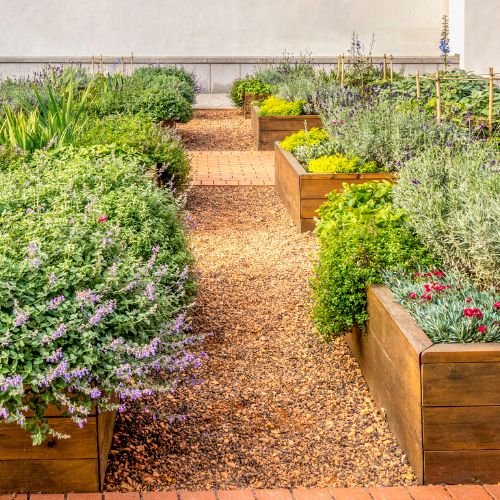
Final thoughts: what “easy” really means
You’ll find that herbs are among the most satisfying plants to grow because their needs are clear and their rewards immediate. “Easy” doesn’t mean “no work.” It means that small, regular attention yields delicious returns. Over time you’ll build a relationship with your herb patch—one shaped by habit, small rituals, and the gentle pleasure of using something you grew yourself.
If you’re ready to start, choose a small, manageable patch or a few pots. Mistakes will happen; sometimes plants will fail, and other times they’ll surprise you with vigor. Either way, you’ll learn what your windowsills and your kitchen prefer. Those first few snips of fresh basil or mint will tell you you were right to try.