
Setting Up an Outdoor Cooking & BBQ Zone That Actually Gets Used
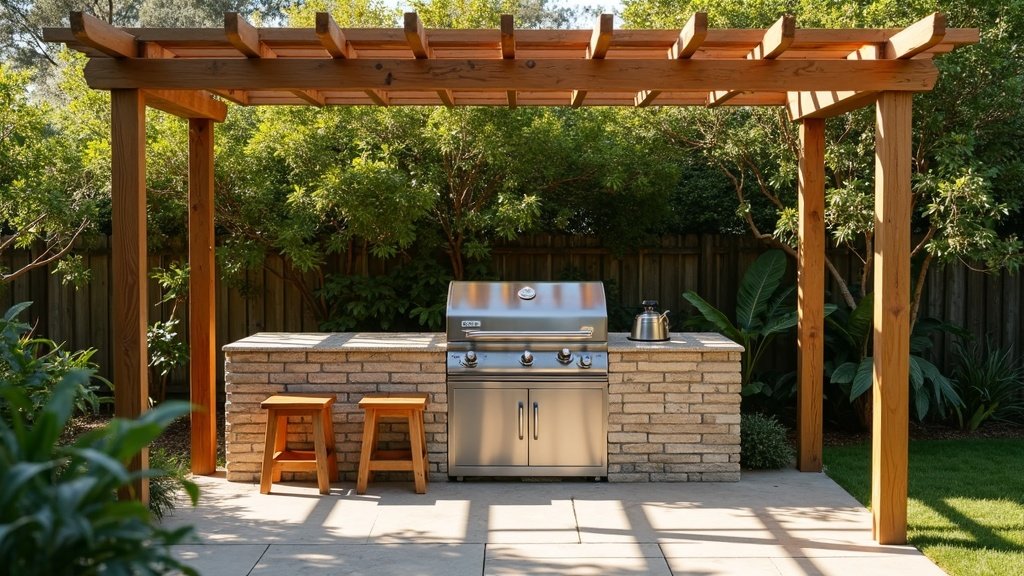
The difference between a BBQ zone that gets used every weekend and one that quietly gathers cobwebs comes down to where you put it and what you build around it, not the size of the barbecue itself. Get the spot, the bench and the cover right and you will end up cooking outside far more than you ever expected.
Start with how you actually cook and entertain
Before you pour a slab or go looking at a six-burner, be honest about how your household really eats outside. A couple doing a quick weeknight cook wants something very different from a family that feeds fifteen people every long weekend.
Ask yourself a few plain questions first:
- Frequency: are you cooking outside once a month, or three nights a week?
- Crowd size: is it just the household, or regular big gatherings?
- Distance to the kitchen: how far are you carrying plates, and does that trek put you off even bothering?
The closer the cooking zone sits to the indoor kitchen and the seating, the more it gets used. A beautiful setup down the back of the yard, twenty metres from the fridge, tends to sit idle no matter how good it looks.
Gas vs charcoal vs built-in: the real trade-offs
There is no single best answer here, only what suits the way you cook. Each option earns its keep in a different situation.
- Gas: quick to fire up, easy to control and low fuss. The right pick if convenience is the thing that actually gets you cooking outside.
- Charcoal or wood: better flavour and better heat for low-and-slow work, but slower to start and messier to clean up afterwards. A weekend cook’s choice more than a weeknight one.
- Built-in: a fixed unit set into a bench or masonry surround. Looks the part and frees up bench space, but you are committing to that spot, and if it runs on a fixed gas line you are committing to a licensed installer too.
Bench, prep and storage so it is not a one-trick zone
The one thing people regret skipping is bench space. You want somewhere to rest a tray, season the meat and stack the clean plates without juggling everything in your hands.
- Prep bench: aim for a solid, weatherproof surface right beside the cook, not behind you where you have to keep turning around.
- Storage: a cupboard or a few drawers for tongs, cleaning gear and the gas bottle keeps the whole lot at hand instead of back in the shed.
- Tap and bin: a nearby tap and a spot for the bin save the constant walk back inside mid-cook.
Materials matter out here. Stone, tiled masonry or proper marine-grade cabinetry cope with sun and rain far better than raw timber or a flat-pack unit meant for an indoor laundry.
Shelter, airflow and where the smoke goes
Australian weather swings from blazing sun to a sudden downpour, so some cover is what turns a fair-weather setup into one you use all year. A pergola, a patio roof or a simple gable over the cooking spot means a bit of rain no longer cancels dinner.
The catch is airflow. A barbecue, especially anything burning gas or charcoal, needs open air around it and must never be run in an enclosed space. Position it so the smoke drifts away from the seating and away from the house windows, and keep plenty of open sides. If you are putting a cook zone under a roof, follow the appliance manufacturer’s clearance guidance rather than guessing at how much room to leave.
Movable BBQ vs built-in outdoor kitchen
This is the big fork in the road, and honestly most people are better off starting small.
- Movable BBQ on wheels: the cheapest and most flexible option, and you can roll it under cover or take it with you when you move house. Ideal if you rent, or you are not yet sure of the final layout.
- Built-in outdoor kitchen: a bigger spend and a fixed commitment, but it lifts the whole space and adds real value if you entertain a lot. Worth planning properly with a builder when it involves masonry, drainage or a roof.
A sensible middle path is to run a good movable BBQ for a year first, learn where you actually stand, reach and cook, then build in once you know the layout genuinely works for you.
The connections that need a pro: gas and power
This is the part to get right, because it is the part that can hurt you. A portable BBQ running off a swap-and-go LPG bottle is something you can set up yourself. The moment you want a fixed gas line though, whether that is mains natural gas or a plumbed LPG supply to a built-in, that connection must be done by a licensed gas fitter. It is not a DIY job in Australia, and a dodgy gas connection is genuinely dangerous.
Same story with power. If you want fixed powerpoints, lighting or a rangehood over the cook zone, get a licensed electrician to run the outdoor-rated wiring. Plug-in gear off an existing weatherproof outlet is fine, but any new fixed circuit is sparky territory.
Sort those trades early, before the bench goes in, because chasing a gas line or a cable through finished masonry later is a miserable and expensive afterthought.
Pulling it together
Nail the location, give yourself real bench space and proper cover, and get the gas and power done by the right licensed trades. Do that and the BBQ zone stops being a nice idea in the corner and becomes the part of the house everyone actually wants to be in.
For how the cooking zone fits with the rest of the yard, have a read of our guide to planning an Aussie outdoor living space. And once you are entertaining after dark, getting the outdoor lighting right is what keeps the space usable well into the evening.