Outdoor Living in an Aussie Backyard: The Complete Guide to Planning Your Space
Here is the thing most people get wrong about doing up a backyard. They treat it as a shopping list, a deck one weekend, a fence the next, a few plants when the mood strikes. Then two years in, the deck cooks in the afternoon sun because nothing shades it, the new lawn is dying under a tree it was never going to cope with, and the pretty lights have nowhere to plug in. A good backyard is not a list of jobs. It is a handful of zones that have to work with each other and with the weather they cop.
This guide is how to think about the whole space before spending a dollar, with links to the detail for each piece.
Zones, not a to-do list
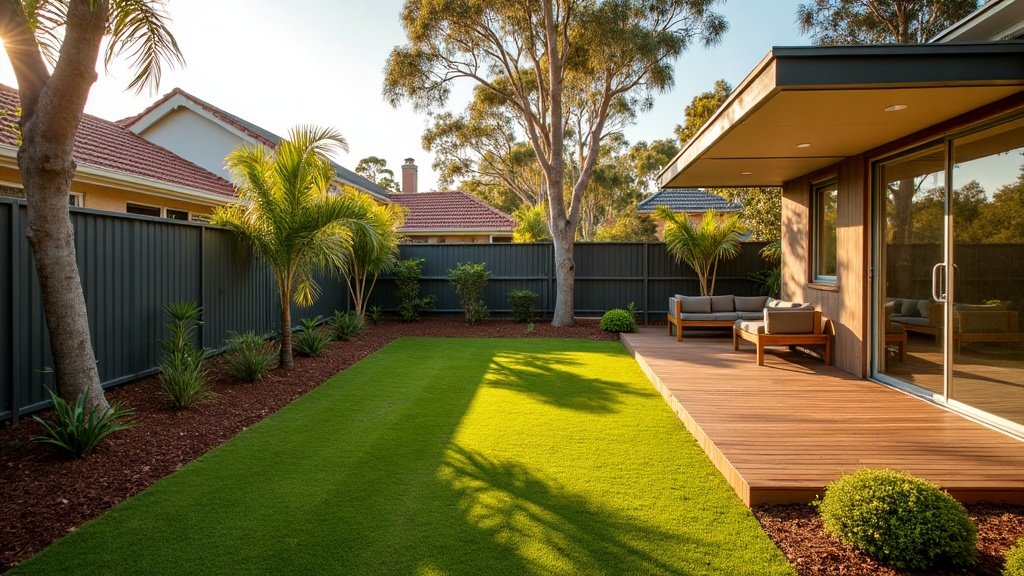
Stand at your back door and look at the yard as a set of areas that each do a job. There is the boundary layer, your fences and, if you have one, the pool and its safety barrier. There is the green layer, lawn and garden beds. There is the living layer, wherever you sit, cook and entertain. And there is the service stuff running through all of it, water, power and lighting.
The reason zones beat a list is that decisions in one area lock in or wreck decisions in another. Put the BBQ in the far corner and you will curse the walk from the kitchen every time. Get the zones talking to each other on paper first and the individual jobs get a lot easier.
The Aussie climate reality
Whatever you build has to survive an Australian summer, and that shapes nearly every call you make. Full afternoon sun on a west facing patio will drive you indoors by two o’clock unless you plan shade in from the start. Long dry spells and water restrictions mean a lawn and garden that leans on constant watering is a lawn and garden that will let you down. Restrictions change with the season and the region, so check your local water authority for what is allowed right now rather than guessing.
Then there is the wild weather. Summer storms, hail and the odd screaming southerly will find anything you did not fix down properly. Shade sails, umbrellas and lightweight furniture all need a plan for when it blows. Build for the worst week of the year, not the nicest.
Sort the boundary stuff first
Fences and pool barriers come first because they are the hardest to change later and the most regulated. If you have a pool, the safety barrier is not the place to freelance. Pool fencing rules exist to stop kids drowning and they are taken seriously, but the exact requirements for barrier height, gates and gaps vary by state and council, so confirm the current rules with your state regulator or a licensed pool barrier inspector rather than copying a neighbour.
Boundary fences carry their own catch. Shared dividing fences come with obligations to your neighbour, and those rules differ between states too. Sort the line and the responsibility before the posts go in, not after.
The green layer
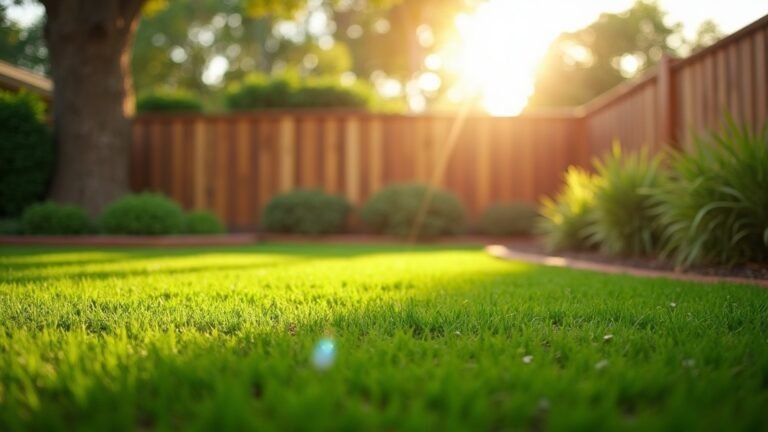
Lawn and garden beds are where most backyards quietly go wrong, because people pick plants they like the look of instead of plants that suit the spot. Grass under a big tree, sun lovers in deep shade, thirsty species in a dry corner, all of it fights you forever. Match the plant to the light, the soil and the water it will actually get, and the yard starts working with you.
Watering is the other half of it. Deep and less often beats a daily sprinkle, and mulch holds moisture in the soil so you are not pouring water into thin air. How you capture and use water sits right at the centre of a low fuss garden.
The living zone
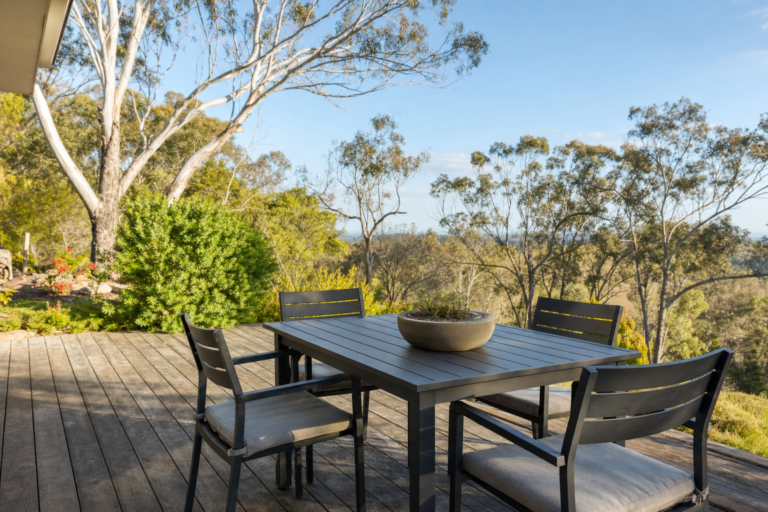
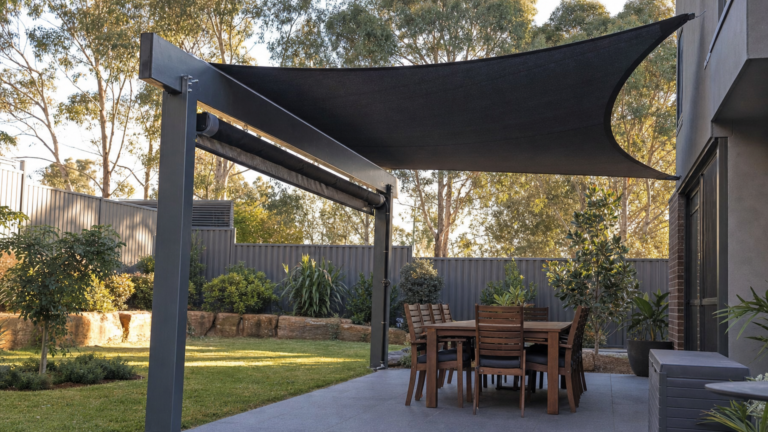
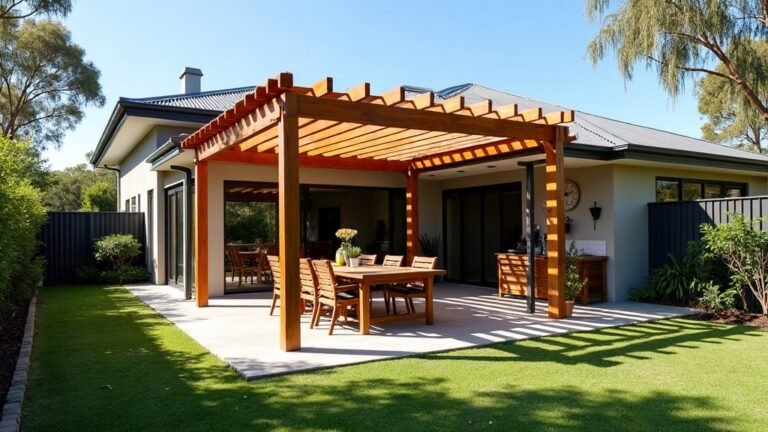
This is the bit you actually built the yard for, so give it real thought. Where does the sun sit at the time of day you will use the space? A morning coffee spot and an evening entertaining spot are often two different corners. Shade, whether that is a pergola, a sail or a big umbrella, is what makes a patio usable through summer instead of abandoned.
Cooking and lighting turn a nice spot into one that gets used after dark and into the cooler months. Keep the cooking zone close enough to the kitchen to be practical, and layer your lighting so you can see the steps, light the table and set a mood without floodlighting the whole yard.
Getting the trades right
Plenty of backyard work is fair game for a capable DIYer. Building a garden bed, laying mulch, planting, oiling a fence, running solar path lights. Where it stops is anything fixed and dangerous. Fixed electrical work outdoors, a hardwired light or a new garden power point, has to be done by a licensed electrician. New plumbing off the mains or a backflow connection is licensed plumber territory. A built in gas BBQ hooked to mains or bottled gas needs a licensed gas fitter. That is the line where a mistake burns the house down or voids your insurance.
Where to go next
Once you have the zones mapped, work through the detail one area at a time. These guides go deeper on the pieces:
- Lighting the space: our guide to lighting your backyard the right way covers layering, solar versus hardwired and where an electrician has to step in.
- Watering smarter: how to make the most of rainwater tanks and backyard watering in a dry climate.
- Dealing with pests: knowing when to DIY garden pests and when to call a pro saves you cycling through supermarket sprays.
Start with the boundary and the climate, let those shape the green and living zones, and bring the trades in for the fixed work. Get the order right and the yard comes together as one space instead of a pile of weekend jobs that never fit together.