Wood-Fired or Gas? Choosing a Pizza Oven for the Backyard
If you want the easiest oven to live with, buy gas. If you want the smoke, the ritual and the crust you get from a live fire, go wood, and accept that it asks more of you every time you light it. Multi-fuel ovens sit in between. The bigger decision is often whether it’s portable or built in, because that sets where it lives, what it sits on and what it costs to get running.
What are you actually going to cook?
If pizza night is a Friday thing for the family, you want an oven that’s ready quickly, holds a steady heat and doesn’t need babysitting. That’s gas. If you picture long Sunday sessions with mates, roasting veg and baking bread in the falling heat after the pizzas are done, a wood oven with some thermal mass starts to earn its keep.
A wood oven you use twice a year is a garden ornament. A gas oven you use every fortnight is a good buy.
Wood, gas or multi-fuel?
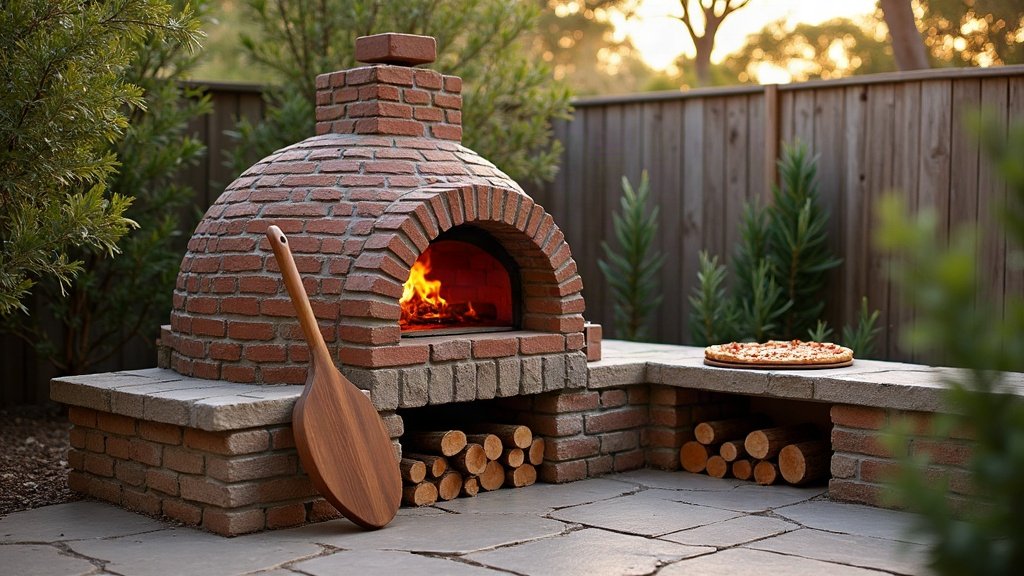
- Wood-fired: the flavour and the theatre. You’ll need dry, seasoned hardwood kept under cover, and you’ll be managing the fire while you cook. Heat-up takes longer, and you have to learn how the fire behaves before the results are consistent.
- Gas: turn it on, wait for the stone to come up to temperature, cook. Heat is easy to adjust between pizzas, there’s no ash and the learning curve is short. You lose the wood smoke, though a hot gas flame still gives you a properly charred base.
- Multi-fuel: an oven built to run on gas and on wood or charcoal. Handy if you can’t decide, but check whether each burner or tray is included in the price.
Portable or built-in?
A portable oven is the low-commitment way in. It sits on a sturdy, non-combustible bench or stand, runs off a gas bottle or a small load of wood, and packs away for winter. If you rent or think you might move, this is the obvious pick.
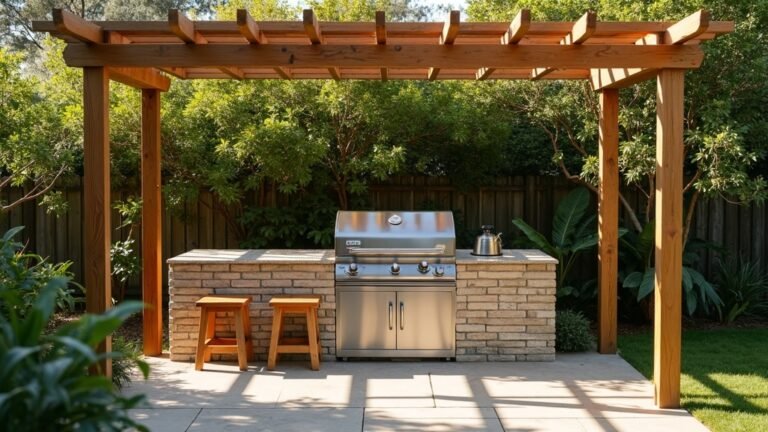
A built-in oven is a construction job. It’s heavy, so it needs a proper base, and once it’s there it’s there. Get the site right first: where the smoke drifts, how far you carry food from the kitchen, and how it sits next to your existing cooking setup. Our guide to setting up an outdoor cooking and BBQ zone covers bench space, shelter and the smoke question in more detail, and the same thinking applies here.
Connecting a built-in gas oven is gas work. In Victoria, Energy Safe Victoria’s advice is to always use a licensed gasfitter for any installation involving gas, and the gasfitter must give you a compliance certificate when the appliance is installed. Elsewhere, check with your state’s gas regulator.
Where should it go?
Start with the manufacturer’s installation manual. It will list the clearances the oven needs from walls, roofs and anything that can burn, and those numbers are the ones that count for your model. A few things I’d check on top of that:
- Overhead: keep wood ovens out from under low pergola roofs, shade sails and overhanging branches. Sparks and heat go up.
- Underfoot: a stable, non-combustible surface such as pavers or a concrete slab is the safe base. Timber decking near a wood oven is asking for scorch marks from dropped embers. If you’re still choosing a surface, our comparison of pavers and decking for an entertaining area goes through the trade-offs.
- Wind: an exposed spot lets the wind carry heat away, the same problem you get with portable gas patio heaters. A bit of shelter on the windward side helps.
- Neighbours: wood smoke drifting into the yard next door on a still evening is how disputes start.
Can you use it on a total fire ban day?
This is where the fuel choice really matters. In NSW, the Rural Fire Service’s total fire ban rules say a wood-fired pizza oven, or any barbecue that burns wood, charcoal or heat beads, can’t be used outside during a total fire ban. Victoria’s CFA says the same in its “Can I or can’t I?” guide: solid fuel pizza ovens are banned in the open air on total fire ban days.
Both still allow a gas barbecue under conditions, but neither names gas pizza ovens. In NSW, a gas barbecue needs a responsible adult with it the whole time, nothing combustible can be within two metres, you need an immediate and continuous water supply, and it has to be within 20 metres of a home. In Victoria, the CFA also sets conditions for solid fuel ovens during the Fire Danger Period, including wind no stronger than 10 km/h and three metres cleared around the fire. Other states set their own rules. Check how your state fire service treats a gas pizza oven before ban season. If you already have a backyard fire pit, you’ll know the drill: on the worst days, the wood stays in the pile.
Heat-up and cleanup
Gas wins both. The stone comes up to temperature far quicker than a wood oven, and cleanup is brushing burnt flour off the stone once it’s cooled.
A wood oven takes longer to bring up to heat and needs the fire tended while you cook. Afterwards there’s ash to clear, but only once it’s completely cold.
So which one?
Buy a portable gas oven if you want good pizza most weeks with the least fuss, or you’re renting. Go wood-fired and built-in if you love cooking over fire, have the space and will happily spend an afternoon out there. Choose multi-fuel if you want to try wood without giving up the convenience of gas on a weeknight.