
What Herbs Are The Easiest To Grow
?Have you ever stood at your kitchen window, cupped a sprig of basil between your fingers, and thought you could do this — grow something useful, fragrant, and alive — without turning your life into a horticultural project?

What Herbs Are The Easiest To Grow
You can. Growing herbs is one of the gentlest, most rewarding ways to bring green into your life. It asks for small habits, a little attention, and a few forgiving plants that reward you with flavor, scent, and the occasional flourish of unexpected flowers.
Why choose easy herbs first?
Starting with easy herbs keeps frustration low and confidence high. The herbs listed here are resilient, tolerant of varying conditions, and quick to reward your care. They are forgiving when you forget to water them for a day or two, and they’re generous when you harvest. You’ll learn soil, light, watering, and pruning basics while still getting usable fresh herbs for your kitchen.
How to use this guide
This article is meant to be practical and personal. You’ll find a table that gives quick reference for each herb, followed by more detailed sections on growing, propagating, common problems, indoor vs. outdoor care, and preserving your harvest. Read it in the order that suits you — you might start with a single herb and add others as you feel more confident.
Quick reference table of easy-to-grow herbs
Below is a condensed table to help you pick a starting herb. It covers light, water, soil, ease, and typical uses. Refer back when you’re planning where to plant or what to buy.
| Herb | Light | Water | Soil | Ease | Typical Uses |
|---|---|---|---|---|---|
| Basil | Full sun (6–8 hrs) | Regular, keep moist | Well-draining, fertile | Very easy | Pesto, salads, tomatoes |
| Mint | Partial shade to sun | Keep moist | Rich, moist; tolerates clay | Extremely easy (can be invasive) | Teas, cocktails, salads |
| Parsley | Full sun to partial shade | Even moisture | Rich, well-draining | Easy but slow to germinate | Garnish, soups, sauces |
| Chives | Full sun to partial shade | Moderate | Well-draining, fertile | Very easy | Eggs, baked potatoes, soups |
| Rosemary | Full sun | Low–moderate | Very well-draining, poor to average | Easy (drought-tolerant) | Roasts, breads, oils |
| Thyme | Full sun | Low | Well-draining, sandy | Very easy | Roasts, soups, Mediterranean cooking |
| Oregano | Full sun | Low–moderate | Well-draining | Very easy | Pizza, sauces, grilling |
| Sage | Full sun | Low–moderate | Well-draining | Easy | Stuffing, meats, butter |
| Cilantro / Coriander | Full sun (cool climates) | Regular | Well-draining, fertile | Moderate (bolts in heat) | Salsa, curries, salads |
| Dill | Full sun | Moderate | Well-draining, light | Easy | Pickles, fish, salads |
| Lemon balm | Partial shade to sun | Moderate | Rich, well-draining | Very easy | Teas, salads, desserts |
| Lavender | Full sun | Low | Very well-draining, alkaline | Easy in suitable climates | Tea, sachets, culinary uses |
Choosing the right herbs for your space
Choosing herbs is partly about what you like to eat and partly about the conditions you can offer. You’ll want to match your available light, climate, and how much attention you can lavish.
Consider your light
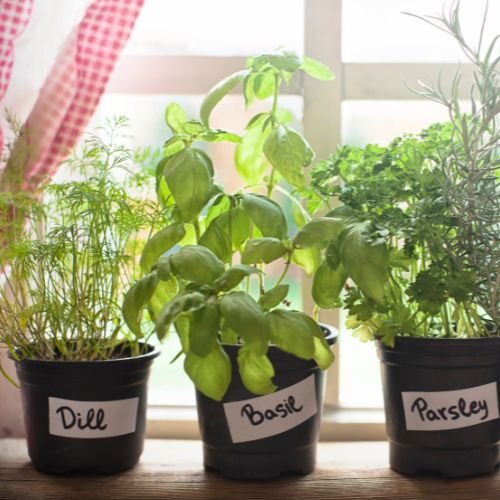
Most Mediterranean herbs — rosemary, thyme, oregano, sage, lavender — want strong sun. If your windows are sun-drenched for most of the day, these will thrive. For shadier spaces, choose mint, chives, lemon balm, or parsley. Light isn’t merely a convenience; it shapes flavor. An underlit basil will be leggy and less aromatic.
Think about containers vs. garden beds
If you have a balcony or a windowsill, containers are your friends. Containers warm and dry out faster than ground soil, so you’ll water more often. In-ground beds stay steadier and are forgiving for thirsty herbs like parsley or cilantro. Mint is notorious for overtaking beds — keep it in pots unless you want a mint forest.
Start with culinary priorities
You’ll plant more often what you use. Ask yourself what you cook most. If you often make tomato dishes, basil and oregano will reward you. If you drink herbal tea, lemon balm and mint will be used daily. Growing what you use reduces waste and keeps you practicing harvesting and preserving techniques.
Detailed profiles: the easiest herbs to grow
Below are the herbs that will make your early gardening days pleasant and productive. Each profile gives a little background, practical requirements, planting tips, propagation methods, common problems, and harvesting advice. You’ll find that many of these plants want the same basic things and forgive many small mistakes.
Basil (Ocimum basilicum)
Basil is almost the poster child of kitchen herbs. It smells like summer, tastes of sun-warmed tomatoes, and is an immediate boost to simple dishes.
- Light and soil: Basil needs full sun and fertile, well-draining soil. A pot with fresh potting mix and regular feeding will make it lush.
- Planting: Start from seed indoors 6–8 weeks before last frost, or buy a small plant. Seeds germinate quickly in warm soil.
- Watering and care: Keep soil consistently moist but not waterlogged. Pinch flowers as they appear to prolong leaf production.
- Propagation: Easy by stem cuttings — place a cutting in water until roots form and pot up.
- Problems: Slugs and aphids can nibble leaves; watch for downy mildew in humid climates.
- Harvesting: Harvest leaves from the top, taking no more than one-third of the plant at a time. Fresh basil is best used immediately.
Mint (Mentha spp.)
Mint is practically wilful in its generosity; it will colonize wherever it pleases.
- Light and soil: Tolerates partial shade and a range of soils but prefers moist, rich ground.
- Planting: Plant a root or a young plant in a pot to control its spread. Never plant mint directly into the garden unless you want it everywhere.
- Watering and care: Keep it evenly moist. Prune frequently to encourage fresh growth and prevent flowering if you prefer leaves.
- Propagation: By division, runners, or cuttings. It roots readily.
- Problems: Occasionally rust or leaf spot; more commonly, you’ll have too much of it.
- Harvesting: Regularly snip branches; this promotes bushier growth. Use young leaves for the best flavor.
Parsley (Petroselinum crispum)
Parsley is honest and steady; it’s not showy, but it will be there for soups, salads, and garnishes.
- Light and soil: Prefers full sun to partial shade and rich, well-draining soil.
- Planting: Seeds can be slow to germinate (2–4 weeks). Soak seeds overnight to speed germination or buy seedlings.
- Watering and care: Regular moisture helps, especially when it’s young. Fertilize lightly every month.
- Propagation: Best by seed or division of established clumps.
- Problems: Slugs and caterpillars might nibble. Bolting can occur in extreme heat.
- Harvesting: Cut outer stems at the base to encourage new inner growth. Both flat-leaf and curly parsley are productive.
Chives (Allium schoenoprasum)
Chives are mild, oniony, and perfect for repetitive snips onto eggs or baked potatoes.
- Light and soil: Prefers full sun but tolerates light shade; needs well-draining fertile soil.
- Planting: Plant bulbs or seeds in early spring. Clumps expand year after year.
- Watering and care: Moderate water needs; divide clumps every few years to maintain vigor.
- Propagation: By division in spring or fall.
- Problems: Few; fungal diseases in very wet summers are occasional.
- Harvesting: Snip leaves close to the soil; you can harvest throughout the season.
Rosemary (Rosmarinus officinalis)
Rosemary is woody and patient, smelling faintly of pine and citrus. If you’ve got sun and well-drained soil, it’s an easy, long-lived plant.
- Light and soil: Full sun and very well-draining soil are essential. It dislikes wet feet.
- Planting: Start from cuttings or small plants; seed is slow and unpredictable.
- Watering and care: Water sparingly once established; too much moisture invites root rot.
- Propagation: Very easy from softwood cuttings in spring.
- Problems: Root rot in poorly-draining soils; aphids or spider mites in dry indoor air.
- Harvesting: Snip sprigs as needed; use within a week for best flavor, or dry stems for storage.
Thyme (Thymus vulgaris)
Thyme is quiet and efficient, aromatic in small quantities and endlessly useful in stews and roasts.
- Light and soil: Needs full sun and very good drainage; thrives in sandy or rocky soil.
- Planting: Plant in spring; it’s a low-maintenance perennial.
- Watering and care: Drought-tolerant; prune after flowering to keep compact.
- Propagation: From cuttings or division.
- Problems: Root rot in heavy soils; leggy growth if shaded.
- Harvesting: Harvest stems as needed; strips of leaves can be dried easily.
Oregano (Origanum vulgare)
Oregano is a robust Mediterranean herb, delivering concentrated flavor with sparse care.
- Light and soil: Full sun and well-draining soil prefer dryish conditions.
- Planting: Perennial in most climates; divide established clumps to propagate.
- Watering and care: Low water needs; a little neglect often intensifies flavor.
- Propagation: Easily by division or cuttings.
- Problems: Overwatering is the most common issue; it can become woody without pruning.
- Harvesting: Cut stems before flowers for the best flavor; leaves can be dried or used fresh.
Sage (Salvia officinalis)
Sage is warm, slightly peppery, and very forgiving. It has a respectable presence in a pot or garden bed.
- Light and soil: Full sun; well-draining soil.
- Planting: Start from cuttings or young plants; seeds are slower.
- Watering and care: Moderate water needs, with a preference for drier conditions once established.
- Propagation: Cuttings root well; division is also possible.
- Problems: Powdery mildew in humid conditions; root rot in wet soils.
- Harvesting: Harvest leaves as needed; remove any woody or dying stems.
Cilantro / Coriander (Coriandrum sativum)
Cilantro is fragrant and sharp, beloved in many cuisines but temperamental in heat.
- Light and soil: Full sun in cool climates; partial shade in hot summers.
- Planting: Direct-seed in spring and again in late summer for a fall crop. It bolts quickly in heat.
- Watering and care: Regular moisture and cool temperatures slow bolting.
- Propagation: By seed only if you want coriander seeds; otherwise, harvest leaves.
- Problems: Bolting in warm weather is the main complaint.
- Harvesting: Pick leaves frequently to prolong leaf production; allow a few plants to flower if you want coriander seeds.
Dill (Anethum graveolens)
Dill is airy and fragrant, best sown where it can rise tall and self-seed.
- Light and soil: Full sun; prefers light, well-draining soil.
- Planting: Direct-sow after last frost; thin seedlings to allow space for tall growth.
- Watering and care: Moderate; too much nitrogen produces lush, less flavorful foliage.
- Propagation: By seed; it doesn’t transplant well once mature.
- Problems: Aphids and powdery mildew occasionally; watch for root disturbance.
- Harvesting: Snip leaves as needed; harvest seeds once they brown for pickling.
Lemon balm (Melissa officinalis)
Lemon balm brings a citrus brightness to tea and salads and is an easy, shade-tolerant herb.
- Light and soil: Tolerates partial shade and average soil; prefers consistent moisture.
- Planting: Plant in spring; it spreads but is less invasive than mint.
- Watering and care: Regular water supports lush growth; cut back after flowering to maintain shape.
- Propagation: Division or cuttings are straightforward.
- Problems: Overwintering may be difficult in very cold climates unless mulched.
- Harvesting: Harvest leaves before flowering for the best lemony aroma.
Lavender (Lavandula spp.)
Lavender is a classic, perfumed herb that prefers dry, sunny sites. It rewards patience with aromatic blooms and long-term resilience.
- Light and soil: Needs full sun and superb drainage; alkaline, sandy soils are ideal.
- Planting: Plant in spring in warm climates; give it room and don’t overfertilize.
- Watering and care: Very drought-tolerant; avoid summer watering in humid climates.
- Propagation: From cuttings in spring; seed is variable and slow.
- Problems: Root rot in heavy soils and fungal diseases in humid summers.
- Harvesting: Cut flower spikes just as buds begin to open for drying.
Soil, watering, and feeding basics
A handful of principles will serve almost every herb you grow. You’ll find that once you internalize them, most of your decisions will flow naturally.
Soil: drainage matters more than richness
Most herbs prefer well-draining soil. Mediterranean herbs favor lean, rocky soil, while parsley and cilantro like richer, moister soil. If you use containers, choose a good potting mix and add grit or perlite for drainage if you grow rosemary, thyme, or lavender.
Watering: consistent but not excessive
Too much water causes more damage than too little for many herbs. Water deeply but infrequently for Mediterranean varieties; keep the soil evenly moist for more tender, leafy herbs. Check the top inch of soil — if it’s dry, water. If it’s still cool and damp, wait.
Fertilizing: less is often more
A light, balanced fertilizer in spring and mid-season is usually enough. Over-fertilizing can produce lush, weak growth and reduce essential oils (flavor). Herbs grown for flavor often do better with modest feeding.
Containers, pots, and practical placement
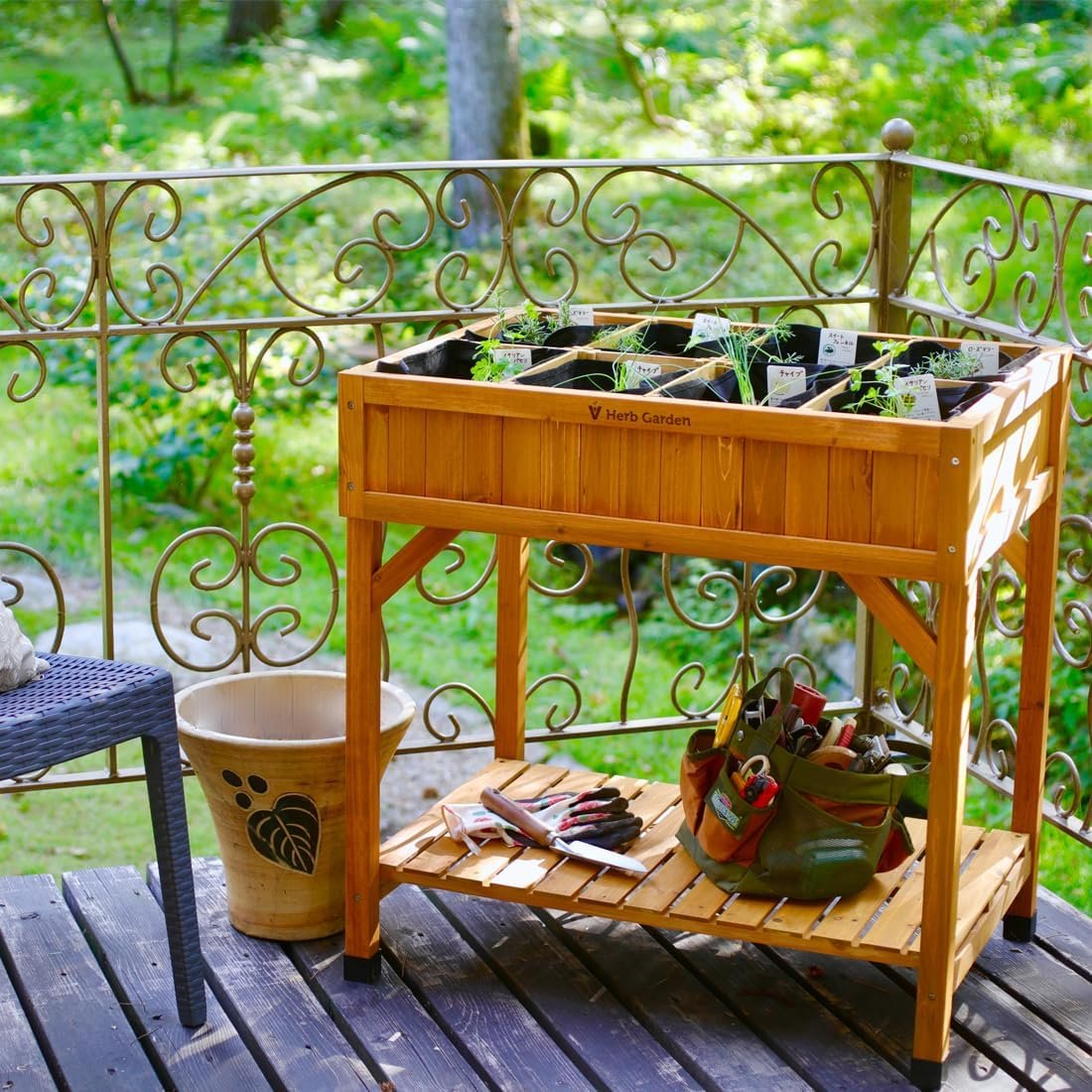
Growing in pots changes the rhythm of care. Containers give you mobility and control but require more frequent attention.
Choosing pots
Use pots with drainage holes and choose a size appropriate to the herb. Mint likes a wider pot; rosemary prefers deep pots but not overly wide soil volume, which retains moisture.
Soil mix
A quality potting mix with some perlite or grit for drainage works well. For Mediterranean herbs, add some coarse sand or tiny gravel to mimic their preferred soil.
Placement
Rotate pots every few days to ensure even growth and prevent legginess if you’re growing indoors. Outdoor pots should be where morning sun hits them for most Mediterranean herbs, while tender greens can tolerate a spot with afternoon shade.
Propagation basics: cuttings, divisions, and seeds
You’ll like how easy most herbs are to propagate. Seed-starting brings the widest variety, while cuttings and division give rapid, reliable results.
- Seeds: Many herbs are easy from seed but some (rosemary, lavender) are slow. Start indoor seeds for a head start.
- Cuttings: Basil, rosemary, oregano, and sage root readily in water or moist soil.
- Division: Chives, mint, and lemon balm divide to rejuvenate plants and give you extras to swap with friends.
Common pests and diseases and how to handle them
Herbs are generally robust, but they aren’t immune. Most problems are simple and can be remedied without chemicals.
Pests
- Aphids: Spray with a strong jet of water or use insecticidal soap.
- Slugs/snails: Hand-pick or use traps; a shallow dish of beer overnight can curb them.
- Spider mites: Increase humidity and spray with water, or use insecticidal soap.
- Caterpillars: Hand-pick and compost them, or use Bt (Bacillus thuringiensis) if needed.
Diseases
- Root rot: Improve drainage and reduce watering; repot if necessary.
- Powdery mildew: Increase air circulation and avoid overhead watering; remove affected parts.
- Downy mildew: Remove infected plants and avoid overcrowding.
Pruning, harvesting, and storage
Pruning and harvesting are the moments where plant care becomes intimate and culinary. Frequent harvesting keeps herbs productive.
Pruning vs. harvesting
Pruning is for the plant’s architecture — you cut above a node to encourage branching. Harvesting is for culinary use — take leaves as needed, often from the top to encourage fuller growth.
Best time to harvest
Morning is the aromatic peak for many herbs, after dew has dried and essential oils are present but not dissipated by heat. Pick basil before it flowers, rosemary and thyme at any time, and cilantro before it bolts.
Storing and preserving
- Refrigerate: Wrap in a damp paper towel in a plastic bag for short-term freshness.
- Freezing: Chop herbs with oil or freeze leaves on a tray, then transfer to a bag.
- Drying: Hang stems in a dark, airy room for several weeks; strip leaves and store in airtight jars.
Seasonal care and overwintering
Herbs behave differently across seasons. Perennials need pruning before winter, while annuals must be replanted.
Overwintering tender herbs
In cold climates, move rosemary and basil indoors or treat them as annuals. Provide bright light and reduce watering. Mulch and protect in-ground rosemary if temperatures are only occasionally dipping below freezing.
Succession planting
For quick-to-bolt annuals like cilantro and dill, plant succession crops every few weeks for a longer harvest window. This keeps your kitchen stocked and your hands in the soil.
Companion planting and garden design
Herbs can be companions to vegetables and flowers, adding fragrance, attracting pollinators, and deterring pests.
- Tomatoes and basil: A classic pairing both in the pot and on the plate.
- Marigolds: Useful near herbs for pest deterrence.
- Flowers: Lavender and thyme attract bees and look tidy along walkways.
Troubleshooting: common questions you’ll ask
You will have moments of doubt — a yellowing leaf, a droopy basil — and some simple checks will usually give an answer.
- Leaves yellowing: Check drainage and watering. Overwatering is the most likely cause.
- Leggy growth: Not enough light. Move to a sunnier spot or supplement with grow lights.
- Sudden wilting: Check for root damage or pests; sometimes repotting to fresh soil fixes the problem.
A few recipes and uses to make the most of your harvest
Here are small, practical ideas that will encourage you to use your herbs and feel their value.
- Simple basil pesto: Pound basil, garlic, pine nuts, olive oil, and Parmesan for a vivid sauce.
- Mint tea: Pour boiling water over fresh mint leaves and steep for five minutes for a soothing drink.
- Herbed butter: Mix softened butter with chopped chives, parsley, and lemon zest for a compound butter that lifts bread and vegetables.
Final thoughts and encouragement
You don’t need grand plans to be a gardener. A single pot of basil on a sunny sill will teach you more than a shelf of books. Herbs are friendly companions — they forgive missed waterings, reward frequent snips, and offer tangible results quickly. As you tend them, you’ll find that caring for herbs settles time and attention into a small, nourishing ritual.
If you start with one or two of the herbs above, you’ll likely find your confidence growing along with your plants. Each season, add one new variety — perhaps a fragrant lavender or a steadfast rosemary. You’ll gather not only recipes and leaves but small, steady happiness. Gardening, in its most modest form, becomes a set of habits that make rooms smell better and dinners taste infinitely more personal.
If you want, tell me the light and space you have and what you cook most often, and I’ll suggest a customized starter trio to suit your kitchen and your days.