Getting Started With Growing Herbs.
Have you ever thought about growing herbs but don’t have an area that you start growing them?
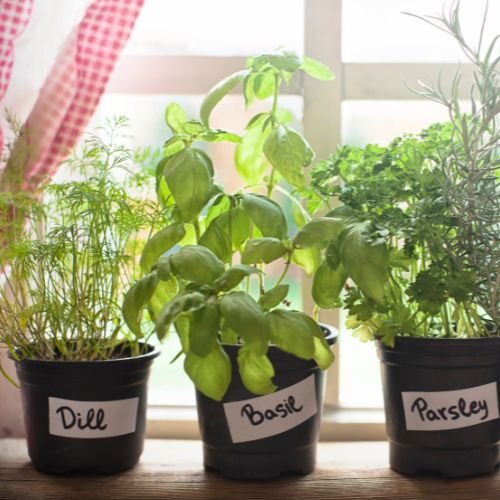
Herbs do not require much room and they are easy to grow in pots or planters.
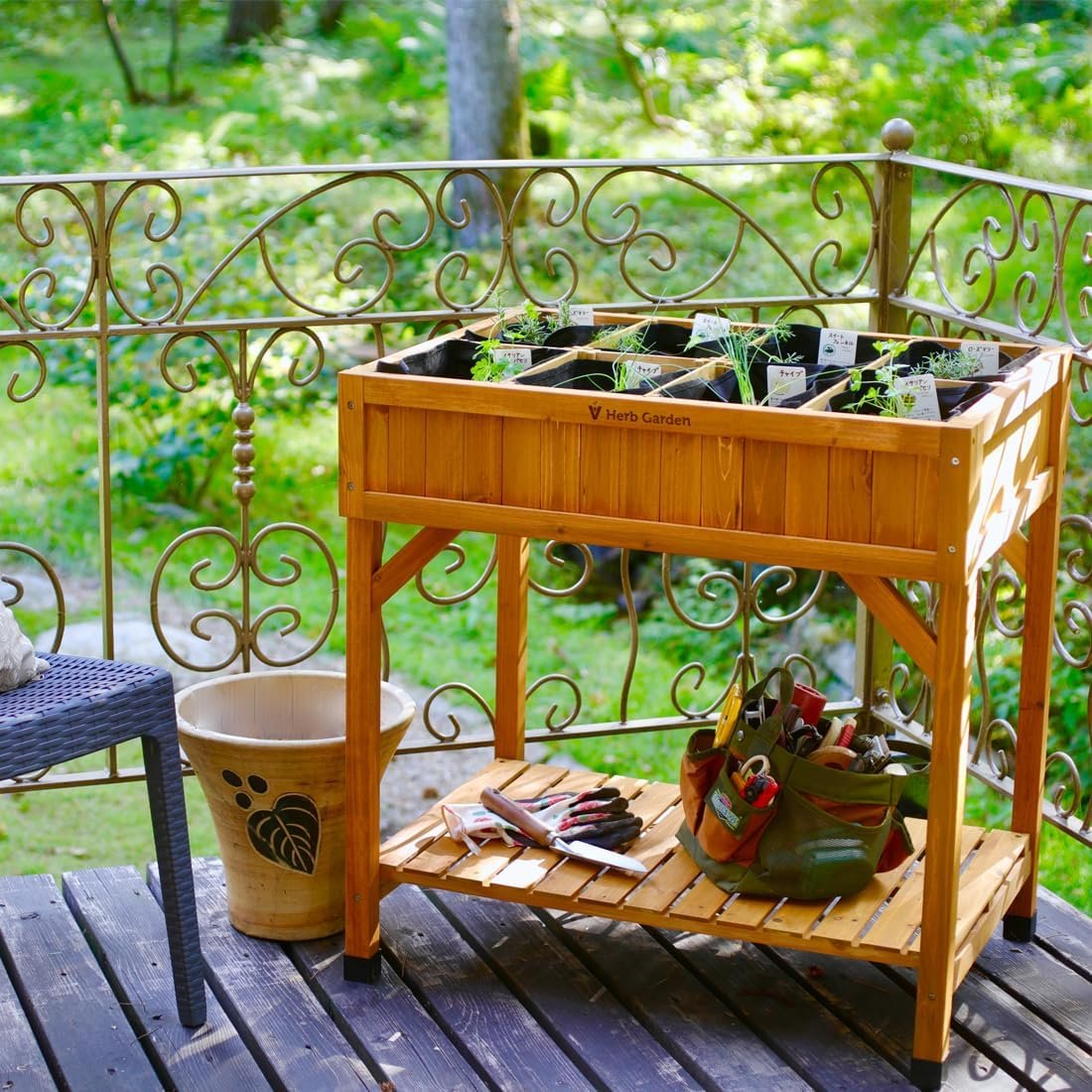
Using a Raised Garden Herb Planter allows easy maintenance and easy access to picking your fresh herbs as you need them Raised Garden Herb Planter

Why Grow Herbs?
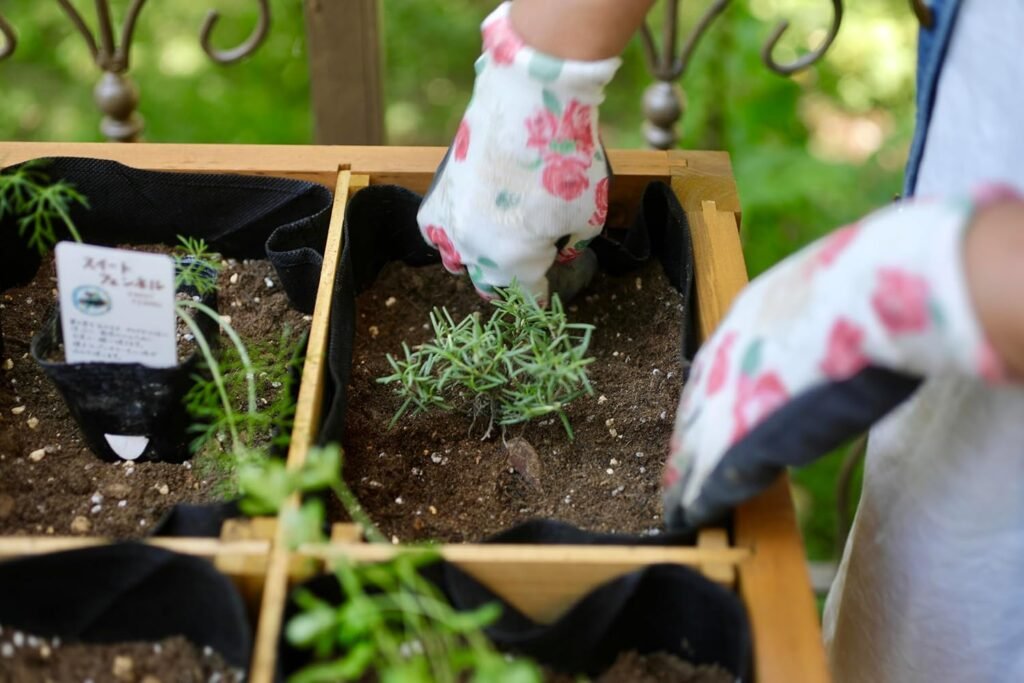
You get more than flavour when you grow herbs. Fresh herbs deliver superior taste compared to store‑bought bunches, reduce trips to the shops, and adapt easily to small spaces. Herbs also ground you in daily rhythm: a quick pinch of basil or snip of mint becomes a small act of calm and care. Herbs respond fast to attention, a thriving pot of basil or mint can prove even a timid gardener capable of success.
Where You Can Grow Herbs
Herbs are versatile. You can grow them almost anywhere that gets some light — a sunny windowsill, balcony, sheltered patio, or a small garden bed. The secret isn’t size, it’s consistency: a few pots on a balcony can flourish if you tend them regularly, just as herbs will thrive in a garden patch if you match the plant’s needs to the conditions.
- Indoors — Herbs near the kitchen bench or window become part of your cooking flow. Choose varieties that tolerate moderate light and rotate pots so each plant gets even exposure. Herbs like mint or parsley do well indoors; basil or rosemary prefer stronger light.
- Outdoors — Give perennial herbs room to grow. Mediterranean herbs such as rosemary, thyme, and sage often thrive outdoors in well‑drained soil or containers. Outdoors you’ll get lusher growth and larger yields — but you must watch for weather swings, pests, and watering needs.
Why Consider a Raised Planter
If your garden soil is heavy clay or poor quality — common in many urban or suburban backyards — a raised planter makes life much easier. Raised beds solve drainage issues, give roots deeper, looser soil, and often yield healthier herbs than dense ground soil.
The elevated height also means less bending and easier access, especially useful for patios, balconies, or compact spaces. You can group herbs with similar needs in one raised bed container and manage watering and care more efficiently than juggling many small pots.
Here’s a good starter planter if you want to try this method:
Raised Garden Bed Planter Box with Drainage — a weather‑resistant, self‑draining planter ideal for herbs, small vegetables or mixed container gardens.

Best Herbs for Your Region
Australia’s climate zones vary, and knowing what suits your area helps you grow more, stress less. Here’s a quick guide to help you match herbs with your region.
Tropical & Subtropical (QLD, NT, northern NSW)
Warm, humid and often wet — great for leafy, fast-growing herbs.
- Best picks: Basil, Thai basil, lemongrass, mint, coriander, chilli
- Tips: Watch for bolting in summer; morning sun is often gentler. Grow mint in pots — it spreads fast.
Arid & Semi-Arid (central Australia, inland WA/NSW/SA)
Hot days, cold nights, low humidity — Mediterranean herbs thrive.
- Best picks: Rosemary, thyme, oregano, sage, chives, lavender
- Tips: Use raised planters or mulch to retain moisture. Choose tough herbs that like drier soil.
Temperate (VIC, SA, southern NSW, parts of WA)
Defined seasons with warm summers and cool winters.
- Best picks: Parsley, dill, chervil, basil (in summer), mint, rosemary
- Tips: Most herbs grow well here with seasonal adjustment. Shelter tender herbs in winter.
Cool & Alpine (TAS, elevated regions of VIC/NSW)
Shorter growing seasons, frosty winters, milder summers.
- Best picks: Coriander, parsley, mint, thyme, chives, tarragon
- Tips: Grow in raised planters to extend the growing window. Some herbs may need protection in frost.
The Easiest Way to Start: A Raised Planter
If you’re short on space, or want an easier, neater way to garden, a raised planter is ideal. You can grow multiple herbs in one spot, control the soil, move it around depending on the season and reduce bending or digging.
We recommend a sturdy raised garden bed with good drainage and enough depth for root growth. Look for weatherproof materials and something about waist height, your back will thank you.
Herbs like basil, parsley, coriander, rosemary, and thyme grow beautifully in raised planters and are easy to mix based on sun and water needs. A planter also means you can shift it to follow the sun or protect it from harsh weather.
Keeping It Simple: Care Tips
- Sunlight: Most herbs need at least 5–6 hours of sun. In hot regions, protect from harsh afternoon sun.
- Water: Let the topsoil dry slightly between watering. Don’t let pots sit in pooled water.
- Soil: Use a good-quality potting mix with drainage. Raised planters need light, airy soil.
- Feeding: A little slow-release organic fertiliser every few weeks will keep herbs productive.
- Harvest: Pick regularly — the more you use your herbs, the more they grow.
Final Thought
Growing herbs is less about having a perfect garden, and more about making something useful and alive part of your daily life. Whether it’s a sprig of mint in your water, a handful of basil in your pasta, or the smell of rosemary when you brush past it — it’s all part of the reward.
A raised planter is one of the easiest and most satisfying ways to start. Pick your herbs, plant with intention, and let your small garden thrive — wherever you are in Australia.