Grow Your Own Herbs And Learn More About Their Benefits
Have you ever stood at your kitchen counter wishing you could reach into a small, fragrant patch of green and pick exactly what you need for dinner or to soothe a scratchy throat?
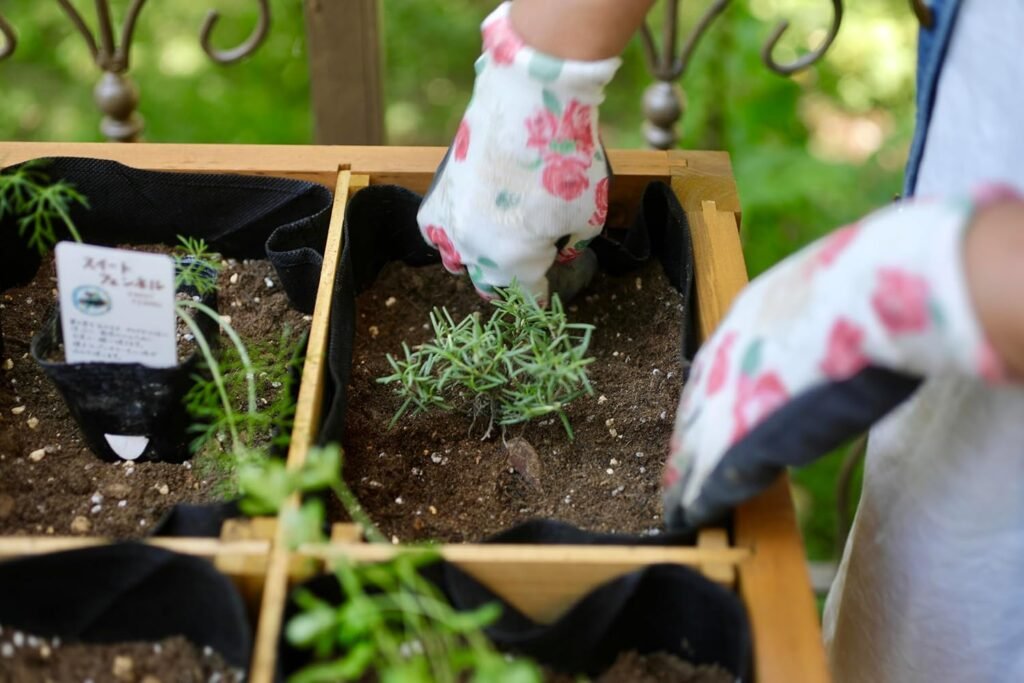

Grow Your Own Herbs And Learn More About Their Benefits
You’re about to be invited into a world that feels domestic and manageable: a windowsill that smells faintly of lemon, a pot of mint that insists on living in a saucer of water, a basil plant that seems to reward attention with explosive summer flavor. You’ll learn not only how to grow these herbs but why they matter — for taste, for health, and for the quiet economy of a life that values small, steady returns.
Why herbs are different from other plants
Herbs tend to be forgiving, useful, and intimate. They don’t require acres of land; a small balcony, a sunny sill, or a generous friend’s spare plot will do. You’ll find them giving you more than leaves: they offer scent, history, ritual, and practical medicine. They reward simple habits — a trim, a pinch, a pot turned now and then — in ways that feel especially satisfying.
Planning Your Herb Garden
Starting is mostly a matter of curiosity and a little patience. You’ll need to decide where your plants will live, how much time you can give them, and what you want from them: flavor, fragrance, medicine, or all three. This initial thought makes the rest of the work clearer and kinder.
Choosing a location
Light is the primary factor. Most culinary herbs prefer at least 6 hours of sunlight a day. If you don’t have that, select herbs that tolerate shade. Think about wind, temperature swings, and the convenience of having the plants where you’ll actually use them.
How much space do you need?
You don’t need much. A single pot per herb is enough for casual use; a pair of pots is better if you cook frequently. If you have a garden bed, you can group herbs by water needs and sun exposure. Think in terms of containers or clumps rather than rows — this suits how you will interact with the plants.
Basic Requirements: Light, Soil, Water, and Air
Succeeding with herbs is mostly about matching the plant to the conditions and paying attention in small, agreeable increments. These four elements — light, soil, water, and air — are where most of your decisions live.
Sunlight needs and placement
Full sun suits Mediterranean herbs like rosemary, thyme, and oregano. Parsley, chives, and mint tolerate partial shade. If your windows face south, you’ve struck a good balance; east- or west-facing windows work too, but north-facing ones will be limiting.
Soil types and potting mixes
Herbs typically prefer well-draining soil. You’ll do best with a potting mix that contains compost, perlite, or coarse sand; garden soil alone can be too dense for containers. In beds, work in organic matter to improve structure and nutrients.
Watering wisely
Most herbs like steady moisture without being waterlogged. Let the top inch of soil dry before watering, except for moisture-loving plants like mint and cilantro, which prefer more consistent dampness. Overwatering is a frequent mistake; root rot can hide beneath otherwise healthy-looking foliage.
Air circulation and temperature
Air matters — cramped, humid spaces favor fungal problems. Rotate pots occasionally so each side gets equal light and ventilation. Most herbs are happiest between 60–75°F (15–24°C) during the day and slightly cooler at night.
Containers, Beds, and Raised Planters
Where you grow herbs shapes how you care for them. Containers give flexibility and style; beds offer stability and larger harvests. Choose what fits your life and your space.
Choosing containers
Use pots with good drainage holes. Terracotta is attractive and breathable but dries out faster; plastic retains moisture but can overheat in direct sun. Consider the plant’s mature size when selecting pot diameter and depth.
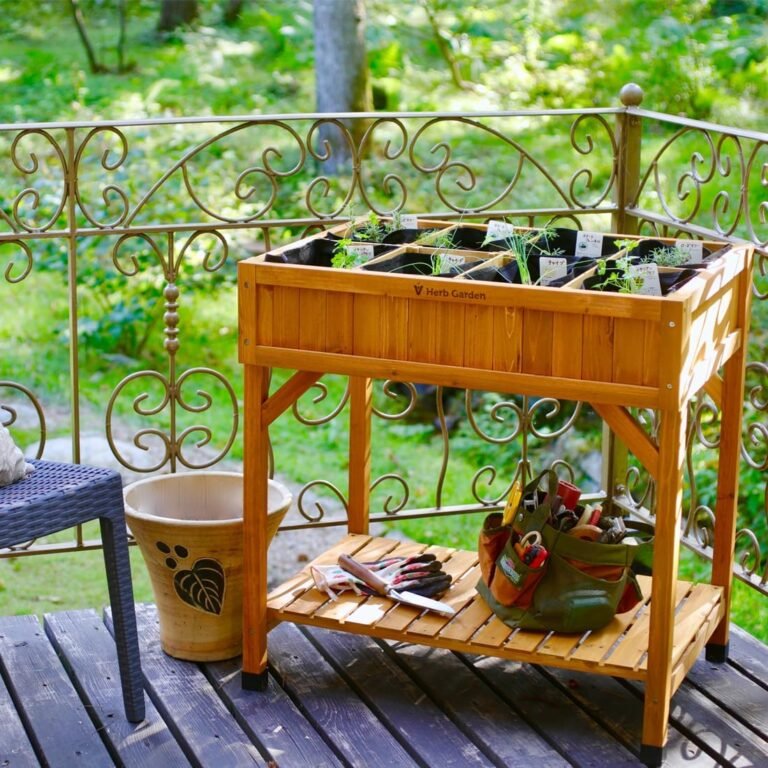
Raised beds and in-ground planting
Raised beds warm earlier in spring and drain well. If you plant in the ground, amend soil with compost and be mindful of competition from nearby trees and shrubs. Some herbs, like oregano and mint, will want to spread; contain them in pots if you prefer order.
Propagation: Seeds, Cuttings, and Division
There’s a quiet pleasure in starting a plant yourself, whether from seed or a rescued cutting. Different methods suit different herbs and your available time.
Starting from seeds
Seeds are economical and allow you to choose varieties. Some herbs — basil, cilantro, dill — germinate easily. Others, like rosemary, can be slow or unreliable from seed. Start indoors for a head start in cooler climates, and transplant after frost risk has passed.
Growing from cuttings
Many herbs root readily in water or potting mix: mint, rosemary, basil, and oregano are good candidates. Cut a 4–6 inch stem beneath a node, remove lower leaves, and place in water or moist soil. You’ll see roots in days or weeks.
Division and root cuttings
Perennial herbs like chives and mint benefit from division. Dig up clumps in early spring or fall and separate them into smaller plants. Division renews vigor and keeps older plants productive.
A Handy Herb Care Chart
This table summarizes typical sun, water, and feeding needs for common herbs. Use it as a quick reference when planning pots or beds.
| Herb | Sun | Water | Notes |
|---|---|---|---|
| Basil | Full sun | Moderate | Pinch flowers to promote leaf growth. |
| Parsley | Partial to full | Moderate | Biennial; tastes best in first year. |
| Mint | Partial shade | High | Aggressive spreader; contain roots. |
| Rosemary | Full sun | Low to moderate | Likes well-drained soil; drought-tolerant. |
| Thyme | Full sun | Low | Good in poor soils; prune after flowering. |
| Oregano | Full sun | Low to moderate | Thrives in hot, dry conditions. |
| Chives | Partial to full | Moderate | Cut leaves near base; edible flowers. |
| Cilantro | Partial shade | Moderate | Bolts in heat; succession sowing helps. |
| Sage | Full sun | Low | Woody stems benefit from pruning. |
| Lavender | Full sun | Low | Needs excellent drainage; fragrant flowers. |
Seasonal Timing and Succession Planting
Plants have their own schedules, and so should you. Stagger sowing and planting to maintain a steady supply through the growing season.
When to sow and transplant
Start seeds indoors 6–8 weeks before your last frost for warm-season herbs. Cool-season herbs like parsley, cilantro, and chives can be sown directly in early spring. Transplant seedlings gently to avoid root shock.
Succession sowing for constant supply
If you want a continuous harvest of cilantro or basil, sow new seeds every few weeks. This keeps flavor fresh and prevents the frustration of a single harvest followed by a lull.
Harvesting and Pruning
Harvesting is where gardening turns into living. Take what you need, and the plant will often repay you with more.
How and when to harvest
Harvest in the morning after dew dries for the best flavor. Pinch or cut leaves rather than tearing them, and always remove no more than one-third of a plant at a time. For most herbs, harvest before flowering for peak taste.
Pruning to encourage growth
Regular pruning keeps herbs bushy and productive. Snip the tips of stems to encourage branching. Remove flowers that sap leaf flavor, unless you want the blooms for decoration or seed production.
Drying, Freezing, and Preserving Herbs
You’ll want methods for keeping herbs beyond the season. Drying concentrates flavors, freezing preserves green freshness, and oil or salt infusions add convenience.
Drying techniques
Tie small bundles of stems and hang them in a warm, dry, well-ventilated spot out of direct sun. When leaves crumble between your fingers, strip them and store in airtight containers. Lavender, rosemary, thyme, and oregano dry well.
Freezing methods
Chop herbs and pack them into ice cube trays with a little water or olive oil. Freeze and store the cubes in labeled bags. This works beautifully for basil, parsley, cilantro, and chives.
Making herb salts, vinegars, and oils
Layer coarse salt with chopped herbs and let flavors infuse for a fragrant finishing salt. Steep herbs in vinegar for weeks to create flavored vinegars. Infuse oils cautiously — store in the fridge and use within a week for safety, or preserve with strong vinegar.

Culinary Uses and Flavor Pairings
Herbs transform dishes in small, decisive ways. Knowing pairings helps you match herbs with ingredients and cooking techniques.
Fresh vs. cooked herbs
Some herbs perform best added at the end of cooking (basil, parsley, cilantro) to preserve aroma; others can handle heat and release deeper flavors (rosemary, thyme, sage). Think of fresh herbs as aromatic punctuation, and cooked herbs as background harmony.
Common pairings
- Basil: tomatoes, mozzarella, olive oil, lemon
- Rosemary: lamb, potatoes, roast chicken, olive oil
- Thyme: mushrooms, poultry, beans, stews
- Oregano: tomato-based sauces, grilled meats, peppers
- Mint: lamb, yogurt, tea, fruit salads
A simple table can help you recall these notes quickly.
| Herb | Best Uses |
|---|---|
| Basil | Pesto, caprese, salads, soups (added off heat) |
| Rosemary | Roasts, potatoes, breads, infused oils |
| Thyme | Stocks, stews, roasted vegetables |
| Oregano | Pizza, Mediterranean sauces, grilled vegetables |
| Mint | Drinks, chutneys, lamb, desserts |
Medicinal and Wellness Benefits
Herbs have accompanied you in kitchens and households for centuries, often bridging the gap between food and medicine. You should approach medicinal uses with care, respect, and some practical knowledge.
Common medicinal herbs and uses
- Chamomile: calming tea for sleeplessness and digestion
- Peppermint: soothes upset stomach, eases headaches when inhaled
- Lavender: calming aromatherapy, topical for minor burns (diluted)
- Echinacea: often used for immune support (as supplement)
- Ginger (technically a rhizome, but often treated as herb): eases nausea and inflammation
Remember: herbs can interact with medications and may be contraindicated during pregnancy. Consult a healthcare professional before using herbs medicinally.
How to make simple herbal teas and infusions
Use 1–2 teaspoons of dried herbs or 1 tablespoon of fresh herbs per cup. Pour boiling water over the leaves, cover, and steep 5–10 minutes. Strain and sweeten lightly if needed. Teas are an easy, gentle way to enjoy herbal benefits.
Safety, Allergies, and Interactions
Being cautious doesn’t make you timid; it makes you wise. Herbs are powerful agents and should be used thoughtfully.
Recognize allergic reactions
If you experience itching, swelling, difficulty breathing, or severe rash after ingesting or applying an herb, seek medical help. Start with small amounts when trying a new herb, especially if you have known allergies to plants in the same family.
Medication interactions
St. John’s wort, for example, interacts with many medications. Garlic can affect blood thinning. If you take prescription drugs, talk to a pharmacist or doctor before using herbal supplements.
Managing Pests and Diseases Naturally
You’ll prefer gentle methods — after all, herbs fit a low-intervention lifestyle. Many problems can be prevented with good culture and simple remedies.
Common pests and treatments
Aphids, spider mites, and slugs are frequent visitors. Blast aphids with water, encourage predatory insects, use neem oil sparingly, or hand-pick slugs in the evening. Companion planting (e.g., planting basil near tomatoes) can deter some pests naturally.
Diseases and prevention
Powdery mildew and root rot are common diseases. Improve air circulation and avoid overhead watering to reduce mildew. Ensure pots have drainage and avoid overwatering to prevent root rot. Remove and dispose of infected material promptly.
Companion Planting and Garden Design
Companion planting is like arranging characters around a table to encourage good conversation. Some herbs pair well together; others might not.
Beneficial pairings
- Basil and tomatoes: basil can improve tomato flavor and deter pests.
- Chives and roses: chives help repel black spot.
- Marigolds and almost anything: marigolds deter some nematodes and pests.
Plants to keep separate
Mint will take over unless confined. Keep it in containers or isolated beds. Be mindful of aggressive perennials when planting herbs in small beds.
Seed Saving and Preserving Varieties
You’ll find satisfaction in saving seeds from dependable plants. It’s an act of continuity and thrift.
How to collect and store seeds
Allow herbs to flower and set seed if you want to save them. Let seed heads dry on the plant, then collect, thresh, and store in cool, dry, labeled containers. Many seeds remain viable for 1–3 years.
Maintaining variety and worth
Some hybrid varieties won’t breed true from saved seed, so keep that in mind. If you love a particular cultivar’s taste or vigor, buying new seed or cuttings each year can be worthwhile.
Troubleshooting Common Problems
When things go wrong, you’ll often find the cause in the basic needs: light, water, and soil. A little detective work helps you restore balance.
Yellow leaves and leaf drop
Yellowing often signals overwatering or poor drainage. Check roots for rot; repot if necessary. If leaves are pale and small, consider nutrient deficiency and apply a balanced, gentle fertilizer.
Slow growth or legginess
Leggy herbs usually need more light. Move them to a sunnier spot, trim back to encourage branching, and gradually acclimate them to stronger light.
Poor flavor
Flavor declines when herbs are stressed, overwatered, or allowed to flower. Harvest before flowering and provide proper light and modest feeding to restore taste.
Recipes and Practical Uses
A few practical ways to use your herbs will encourage you to plant more. Herbs are small, useful luxuries that elevate daily routines.
Simple basil pesto
You’ll need fresh basil leaves, garlic, pine nuts or walnuts, grated Parmesan, olive oil, and salt. Blend until smooth and toss with pasta or spread on toast. Pesto freezes well in cubes for future meals.
Lemon-mint iced tea
Steep green tea, add a handful of fresh mint and lemon slices, chill, and sweeten lightly. It’s a domestic pleasure that speaks of late afternoons and polite conversation.
Rosemary roasted potatoes
Toss quartered potatoes with olive oil, chopped rosemary, salt, and pepper. Roast until crisp and golden. You’ll notice how a single sprig transforms the ordinary.
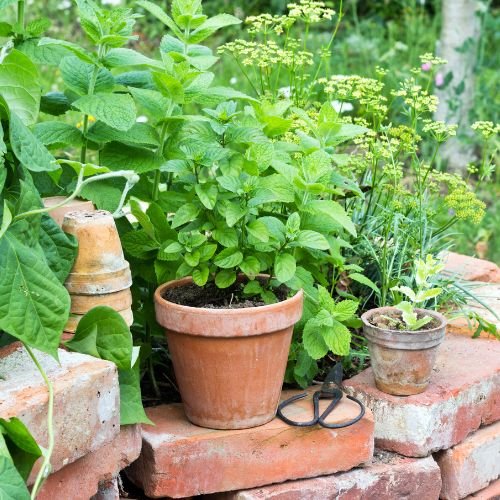
Growing Herbs Indoors Year-Round
If you live in a climate with harsh winters, you can still maintain a lively herb presence indoors. Choose varieties suited to indoor life and provide light.
Best herbs for indoor growth
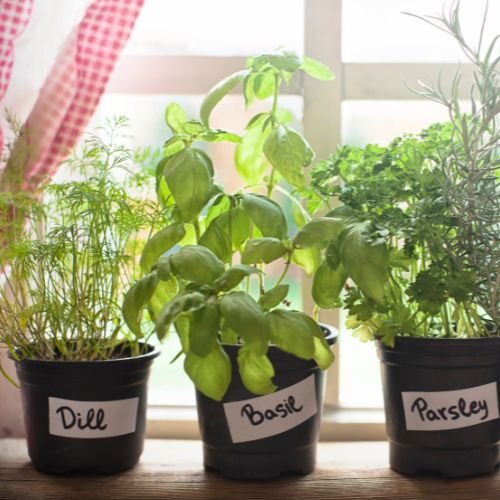
Parsley, chives, thyme, oregano, and mint adapt well indoors. Basil can thrive too with enough light and humidity. Rotate pots and supplement with a grow light if natural light is insufficient.
Managing humidity and light
Bathrooms with bright windows can suit moisture-loving herbs; kitchen windows often offer the heat plants enjoy. A clip-on LED grow light can be transformative in winter months.
Community and Craft: Sharing and Learning
Herb gardening often leads to connection. You’ll trade cuttings with neighbors, share recipes with friends, and learn modestly heroic fixes from people who love to tinker with soil.
Seed swaps and plant exchanges
Local gardening groups often hold swaps where you can trade seeds or divisions. It’s a social ritual that builds variety in your garden without spending much.
Making herbal gifts
Small bundles of dried herbs, jars of herb salt, or potted starter plants make thoughtful, useful gifts. They carry a sense of care and practicality that people appreciate.
Keeping Records and Learning Over Time
A small notebook or notes on your phone will save you from repeating mistakes. Track planting dates, varieties, and how different herbs respond to your microclimate.
What to record
Note sowing dates, harvest times, fertilization, pest problems, and flavor quality. Over a few seasons you’ll see patterns and be able to make better decisions that suit your life.
Frequently Asked Questions
A short FAQ helps you find quick reassurance when the ordinary things happen.
Can all herbs grow in pots?
Most herbs can grow in pots if the container is large enough and drainage is adequate. Some perennials prefer ground space, but you can usually coax a potted life out of many species.
How often should I fertilize?
Light feeders need little fertilizer. A balanced, diluted liquid feed once a month during the growing season is sufficient for most herbs. Heavy feeders like basil may appreciate a bit more.
What if my herb flowers — should I remove the flowers?
If you want leaf production, pinch the flowers off. Flowers can reduce leaf flavor but are beautiful and attract pollinators, so leave them if you prefer blooms.
Final Thoughts
You’ll find that herb gardening rewards curiosity, ritual, and small attentions. It will change your kitchen habits — you’ll reach for fresh thyme instead of dried too often — and it will give you a steady, sensible pleasure. There’s an intimacy in clipping a sprig and knowing exactly when it was born, how it was watered, and how it smells in your hand.
Gardening herbs is an act of sustaining a tiny, fragrant economy in your own home. You’ll learn their moods, their needs, and their quiet generosity. As you go, record what you learn, share small triumphs, and let the ordinary togetherness of plants and people reshape a few moments of your day.