Winter Garden Jobs: What to Do Outside While It’s Cool
Winter is the season most people leave the garden alone, and it’s the season a lot of the year’s best work gets done. Deciduous plants are bare, so you can see every branch you’re cutting. The soil is cool and damp, so new plants settle in without fighting the heat. And you can spend a full Saturday outside without getting cooked.
If you’re reading this in late spring or summer, bookmark it for May to August. The list below is written for temperate gardens in places like Sydney, Melbourne, Adelaide and Perth. Further down there’s a note on how the timing shifts in the tropics and in frosty inland and highland areas.
Which plants should you prune in winter?
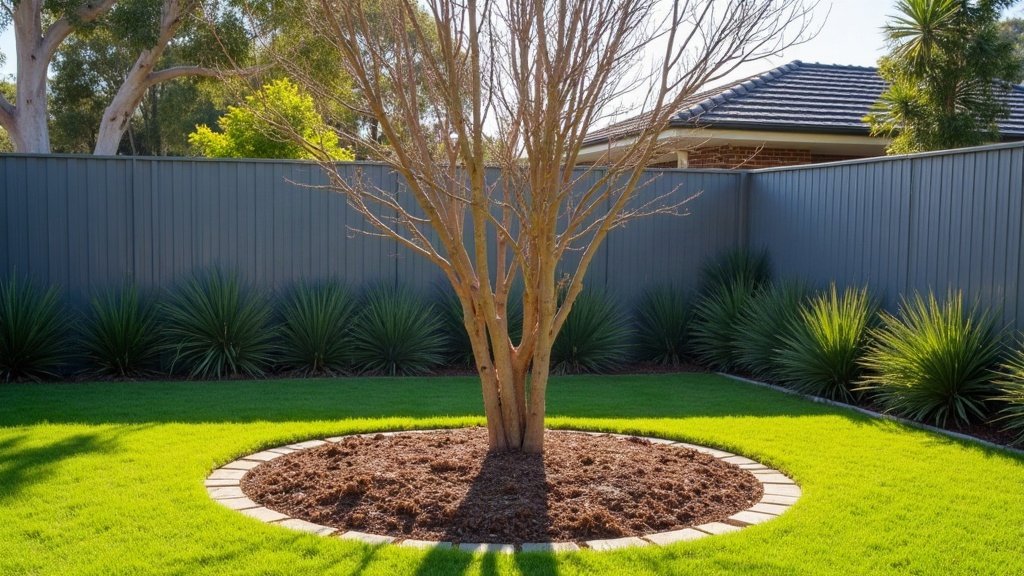
Prune deciduous plants while they’re dormant, which in most temperate gardens means June to August. With the leaves gone you can see the shape of the plant, spot crossing or dead branches, and make clean cuts that heal before spring growth starts. That covers deciduous fruit trees, grapevines, roses and ornamentals like crepe myrtle.
A few practical points make the job go better:
- Dead, damaged and diseased wood first: take this out on every plant before you think about shape.
- Crossing branches: when two rub together, remove the weaker one so the wound doesn’t become an entry point for rot.
- Roses: most temperate gardeners prune in July or early August, cutting back to an outward facing bud so the bush opens up in the middle.
- Clean cuts: use sharp secateurs or a pruning saw, and cut just above a bud or back to the branch collar rather than leaving a stub.
Leave spring flowering shrubs such as azaleas alone for now. Cut them in winter and you’re cutting off this year’s flowers. Prune those straight after they finish blooming instead.
What about trees close to the house?
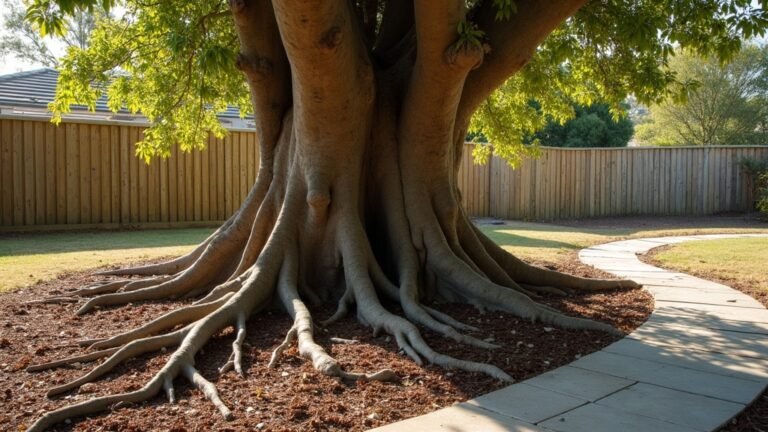
Anything big or high is a job for a qualified arborist, not a ladder and a chainsaw. Winter is still a good time to book that work, because you can see the structure of a deciduous tree clearly. If you’re planning to build or dig near an established tree later in the year, our guide on trees, roots and backyard works covers what to sort out first.
Is winter the right time to plant bare-root trees and roses?
Yes. Bare-root season runs through winter, usually June to August, and it’s the cheapest and easiest way to plant deciduous fruit trees, roses and some ornamentals. The plants are sold dormant with no soil around the roots, so they’re lighter, cheaper than potted stock, and they grow new roots in cool soil before the leaves arrive.
The trick is getting them in the ground quickly. Soak the roots in a bucket of water for a few hours before planting. Dig a hole wide enough to spread the roots out without bending them, and keep the graft union above soil level. Water it in well, then don’t fuss: a dormant plant needs far less water than it will in October.
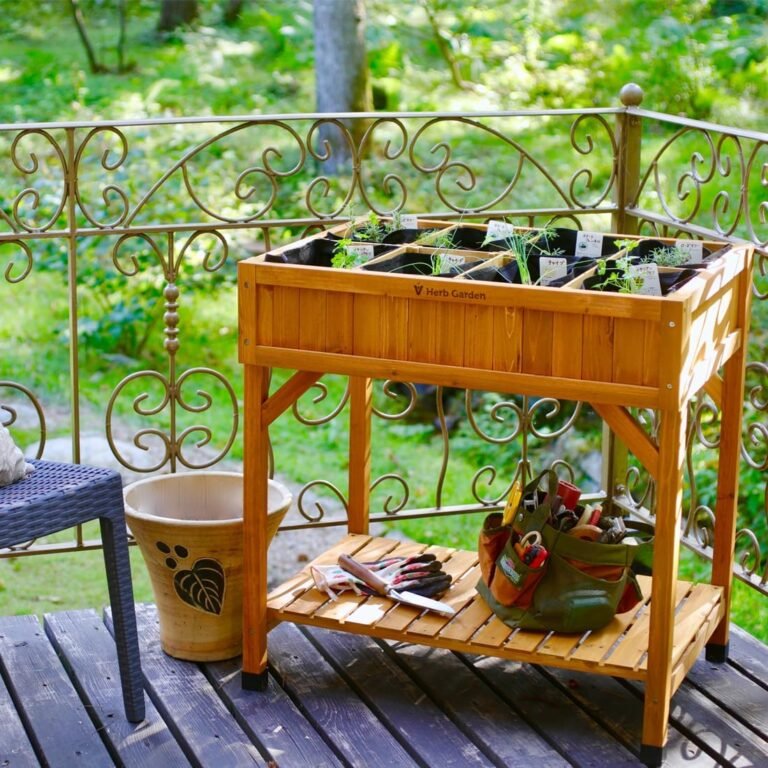
If you’re starting a veggie patch or fruit corner from scratch, winter is also a good time to build the beds. Our raised garden beds and veggie patch guide walks through the setup.
How do you protect plants from frost?
Frost damage happens on clear, still nights, when cold air settles into low spots. The simplest protection is covering tender plants overnight with frost cloth or an old sheet, held off the leaves and taken off in the morning. Pots can be moved under a verandah or against a north facing wall, which holds a bit of daytime warmth.
Two habits help more than people expect. Water in the morning, not at night, so the soil holds some warmth into the evening. And if something does get burnt by frost, leave the damaged growth on until the risk has passed. It looks ugly, but it shields the healthy growth underneath. Trim it off in spring.
Mulch helps too, but keep it pulled back from stems. If you want to know which mulch to use and how thick to lay it, see mulching the garden: which mulch, how deep and when.
Maintenance jobs that are easier in the cool
Winter is the time to fix the things you put off all summer because it was too hot to bother.
- Gutters: clear out the autumn leaves before the heavy rain, so water goes down the downpipes and not over the edge onto your garden beds.
- Tools: clean the soil off spades and forks, sharpen secateurs and mower blades, and wipe metal with a little oil before storing.
- Outdoor furniture: bring cushions inside, and check timber pieces for loose joints or dry patches that need oil. Our guide to outdoor furniture that survives the Australian climate covers what holds up best.
- Soggy spots: winter rain shows you exactly where water pools. Note them now while you can see them, then sort the drainage before spring planting.
- Compost: turn the heap and add the autumn leaves you’ve raked up. Dry leaves balance the wet kitchen scraps.
Does the timing change outside temperate areas?
It does, quite a lot. In the tropical north, the cooler months are the dry season, and that’s the main planting time for many vegetables and annuals. Frost isn’t a concern, but watering is, because there’s little rain until the wet arrives.
In cold climate areas like Canberra, the Tablelands and highland Tasmania, frosts are harder and run later into spring. Many gardeners there hold off rose pruning until late winter so new growth doesn’t get hit by a late frost. Ask what your local nursery or garden club does, because they’ll know your frost dates better than any general guide.