Container Gardening Outdoors: Pot Size, Potting Mix and Surviving Summer
When a potted plant struggles outdoors, it’s often down to three things: the pot was the wrong size, it was filled with the wrong stuff, or it dried out on a hot afternoon while nobody was home. Sort those out and container gardening gets a lot easier.
How big should the pot be?
Bigger than you think, within reason. A larger pot holds more mix, and more mix holds more water, so it takes longer to dry out on a hot day. A small pot in full sun can go from damp to dry in a single afternoon.
The catch is going too big for a small plant. A seedling in a huge tub sits in a mass of wet mix its roots can’t reach, and that mix can stay soggy in cool weather. When you repot, go up one size at a time.
Match the pot to where the plant is heading, not where it is now:
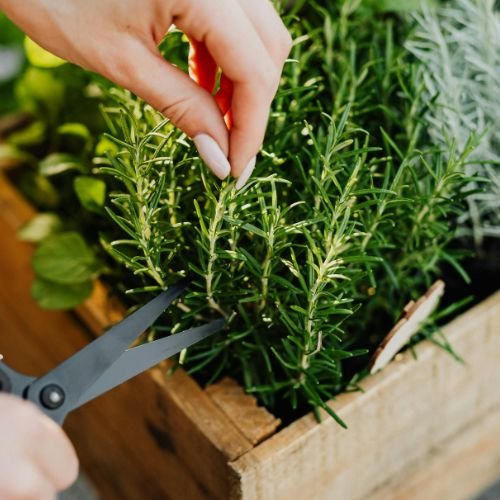
- Herbs and annual flowers: happy in medium pots and troughs, and easy to replace each season.
- Vegies like tomatoes and capsicum: want deep pots, because they’re thirsty and fruit poorly once they’ve been stressed.
- Citrus, dwarf fruit trees and shrubs: need the largest pot you can manage, and room to stay in it for years.
Which pot material suits an Aussie summer?
| Material | Good for | Watch out for |
|---|---|---|
| Terracotta | Plants that hate wet feet, like succulents and many herbs | It’s porous, so it loses water through the walls and dries out fast in the sun |
| Glazed ceramic | Holding moisture, looking smart on a patio | Heavy to move, and it can crack if knocked |
| Plastic and polyethylene | Light weight and lower cost | Dark colours heat up in full sun, and cheap plastic goes brittle in UV |
| Fibreglass | Large feature pots you might need to shift later | Usually costs more than plastic of the same size |
A dark pot against a west-facing wall can cook the roots on its sunny side. In that spot, pick a lighter colour, or sit the plant in its plastic pot inside a bigger decorative one so there’s an air gap between them.
Why can’t you just fill pots with garden soil?
Because garden soil behaves badly in a pot. In the ground, worms, roots and the soil below keep it open and draining. Tip it into a container and it packs down after a few waterings, the air gets squeezed out and the roots sit wet.
Potting mix is made to stay open and free-draining in a container. Buy a decent bag rather than the cheapest one on the pallet, and if you’re growing citrus or succulents, a mix labelled for them is worth the extra.
One health note. The Victorian Government’s Better Health Channel says cases of Legionnaires’ disease have been linked to potting mix. It recommends wearing a mask and gloves, opening bags slowly and away from your face, wetting the mix to keep the dust down, and washing your hands afterwards.
Potting mix also breaks down over time and drains less freely, so top it up each spring and repot long-term plants into fresh mix every few years.
Drainage: holes, saucers and pot feet
Every outdoor pot needs a drainage hole. If a decorative pot doesn’t have one, use it as a cover pot with a plastic pot inside.
Skip the old trick of putting gravel or broken crockery in the bottom. Water sits in the mix above the gravel before it will drain into it, so all you’ve done is make the pot shallower.
Saucers are useful in summer, but empty them after rain. A pot standing in water through a wet week is how roots rot, and the still water can breed mosquitoes.
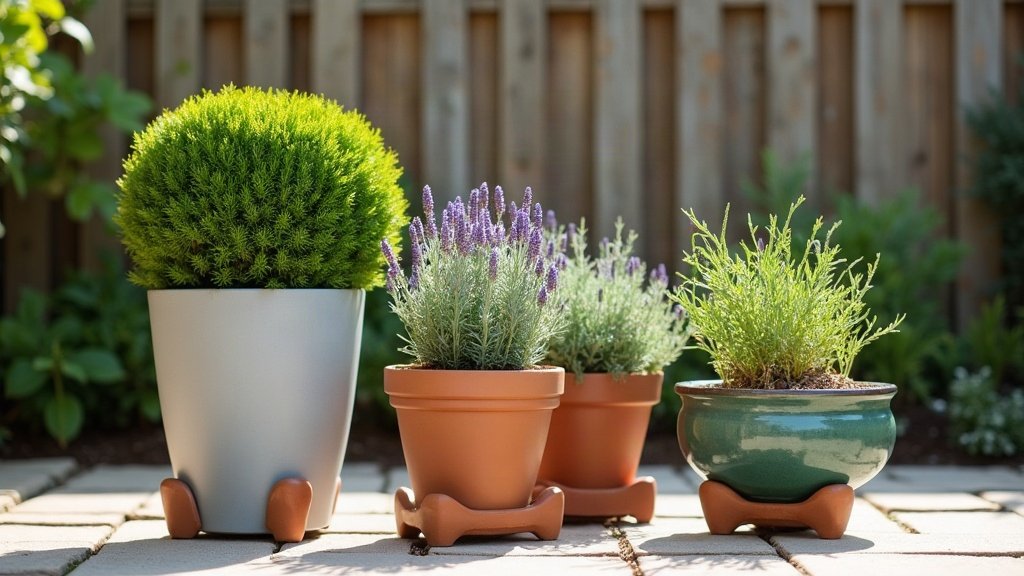
Pot feet are the cheap fix most people skip. Lifting the pot a little lets water run out freely, and it helps prevent the dark stain you get under a pot left on pavers or a timber deck for a season. Something like this pack of six terracotta-coloured HomeLeisure plastic pot feet is the kind of thing to look for; check the size against your pot before you buy. If your deck already has marks, the deck refinishing guide covers bringing timber back.
Getting pots through a hot summer
Pots dry out faster than garden beds, so summer is when container gardens fall over. A few habits help:
- Group them together: a cluster of pots shades one another’s sides, which can slow how fast each one dries out.
- Move them in a heatwave: shift the tender ones somewhere with morning sun and afternoon shade.
- Mulch the top: a layer on the surface slows evaporation, the same as in a bed. Our mulching guide covers which types to use.
- Water deeply, then check: water until it runs out the bottom, then push a finger into the mix the next day.
- Rewet dry mix: if water runs straight down the inside of the pot and out the hole, the mix has dried out and repels water. Soak the pot in a bucket until the bubbles stop, then add a wetting agent.
Self-watering pots and inserts help if you work long days or go away over summer. A reservoir in the base feeds water up into the mix. Keep the overflow hole clear, though, or the bottom of the mix stays waterlogged after heavy rain. A drip line on a timer is the other option, and our irrigation and outdoor taps guide walks through setting one up.
Start with a handful of good-sized pots in a spot you walk past every day. If space is tight, the same ideas carry through to a balcony garden, where weight and wind matter too.
Disclosure: Garden Love is a participant in the Amazon Associates Program and may earn a commission from qualifying purchases made through links on this page.