Making Your Backyard Bird- and Bee-Friendly
If your garden is buzzing and a few honeyeaters keep dropping in, you’re doing something right. A backyard that attracts bees and birds isn’t messy or out of control, it’s a sign the plants, water and shelter are actually working together. Getting there doesn’t need a redesign. A few deliberate choices around what you plant, where the water sits, and how tidy you keep the edges will do most of the work, and it fits neatly into the wider plan covered in our complete guide to planning an Australian backyard.
Why a backyard full of bees and birds is a good sign, not a nuisance
Bees and birds turn up where there’s food, water and somewhere safe to rest, and that’s exactly what a healthy garden provides. Native bees pollinate vegetables and fruit trees, honeyeaters and wrens eat the grubs and caterpillars that would otherwise chew through your plants, and both groups do this without you lifting a finger.
A lot of homeowners still see insect activity as a problem to spray away. A garden with visible pollinator traffic usually means fewer pest outbreaks over time, because you’ve got a small workforce of predators and pollinators keeping things in balance. The goal isn’t zero insects, it’s the right insects.
Nectar-rich and native plants that pollinators actually use
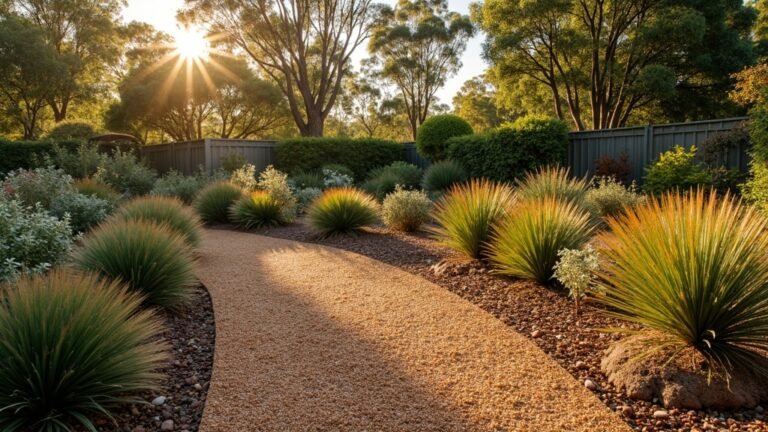
Plant choice does more heavy lifting here than anything else you’ll do. Native and nectar-rich species that flower at different times of year keep food available across seasons rather than in one short burst.
- Grevillea: flowers for most of the year in many climates and is one of the most reliable draws for honeyeaters and native bees.
- Bottlebrush (Callistemon): heavy nectar producer through spring and summer, and a magnet for lorikeets as well as bees.
- Correa: a smaller native shrub that flowers through autumn and winter, useful for keeping food available when other plants have finished.
- Lavender and rosemary: not native, but both are proven bee favourites and double as kitchen herbs.
- Flowering groundcovers like brachyscome: give ground-level native bees somewhere to work, not just tall shrubs.
Aim for a spread of flowering times rather than planting everything from the same season. A garden that only flowers in spring goes quiet for the rest of the year, and the pollinators go with it. If you’re starting a bed from scratch, our guide to low-maintenance native garden beds covers plant grouping and first-year watering in more depth.
Water: the easiest win most backyards skip
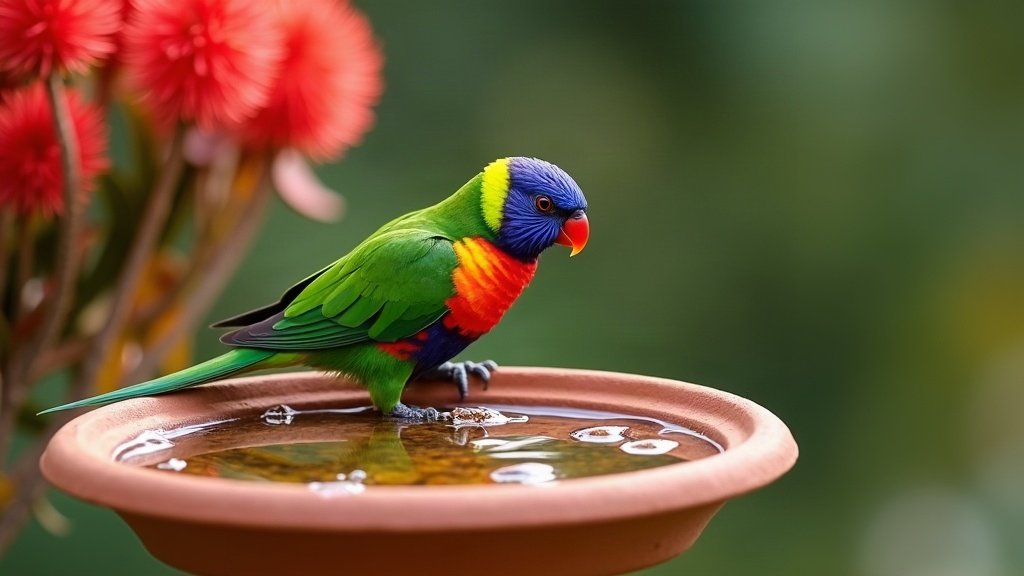
A shallow dish of water with a few pebbles or sticks poking above the surface gives bees somewhere to land and drink without drowning, and it costs nothing beyond a saucer you probably already own. Birds will use the same setup, or a proper birdbath, for drinking and washing.
Position matters more than the container. Put it somewhere partly shaded, away from where a cat can stalk it, and within sight of flowering plants so pollinators find it on the way past. Change the water every couple of days so it doesn’t become a mosquito breeding spot, especially through the warmer months.
Shelter and nesting: leaving a bit of “messy” on purpose
Perfectly tidy gardens are often the hardest places for pollinators to nest. Native bees need bare soil, hollow stems or small timber gaps to lay eggs in, and birds need dense shrubs or a hedge to hide a nest from predators.
A few practical moves:
- Leave a patch of bare, undisturbed soil: many native bee species nest in the ground, and mulching or paving over every square metre removes that option.
- Skip cutting back every spent flower stem straight away: hollow or pithy stems from last season are common nesting sites for solitary bees.
- Keep one dense shrub or small hedge: it gives small birds a place to nest away from cats and larger birds.
- Consider a simple insect hotel: a wooden hanging insect hotel with drilled timber blocks or bundled hollow stems gives solitary bees a ready-made nesting spot in a garden that’s otherwise tidy.
You don’t need to let the whole yard go wild. One corner left a little rougher than the rest is usually enough.
Sprays and chemicals: how to protect plants without wiping out the good bugs
Broad-spectrum insecticides don’t distinguish between the aphid damaging your roses and the native bee pollinating it, so reaching for a spray at the first sign of trouble can undo everything the plant choices and water are doing. Before spraying, check whether the damage is serious enough to act on, since a few chewed leaves rarely threaten a healthy plant.
If you do need to treat a genuine problem, always use a product that’s registered for the job and follow the label exactly. In Australia, pesticide products for home garden use need to be registered with the APVMA (Australian Pesticides and Veterinary Medicines Authority), and the label is the legal instruction for how, where and when it can be used. Spraying in the evening when bees aren’t active, targeting the affected plant directly rather than blanket-spraying the garden, and choosing the least broad-spectrum option that will do the job all help protect the pollinators in your garden.
A simple starter plan for a small or large yard
You don’t need every idea at once. Starting from nothing, add one flowering native shrub, a shallow water dish, and leave one small patch of garden a bit less manicured than the rest. That’s three changes, and most gardens see more bee and bird activity within a season.
For a larger block, stagger flowering natives through the year so something is always blooming, add a birdbath in a shaded spot, keep a hedge or dense shrub for nesting, and hold off on spraying until you’ve confirmed a pest is doing real damage. None of this needs to look unkempt. A well-planned pollinator garden still looks deliberate, it’s just working harder than a purely ornamental one.