Backyard Herb Gardens: Starting a Kitchen Garden Near the Back Door
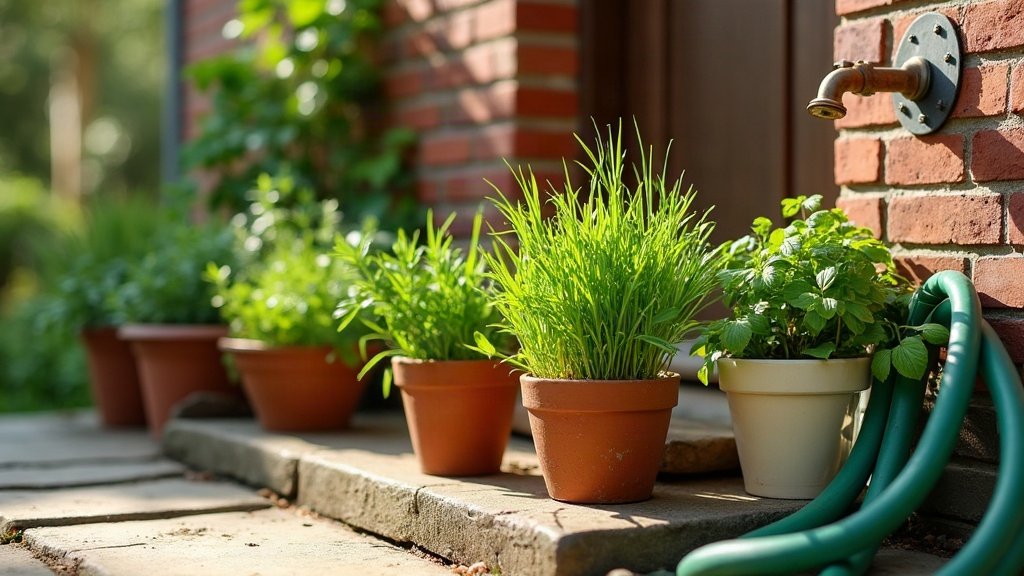
The best spot for a kitchen herb garden is the sunniest patch you can reach from the back door in a few steps, with a tap close by. Herbs planted down the far end of the yard get forgotten, dry out and go to seed, while the ones you pass every day get picked, watered and kept in shape without you really thinking about it.
If you’re still deciding what to grow, our guide to the easiest herbs to grow covers the plants themselves. This one is about where they go and how to keep them producing through the year.
Why does distance from the kitchen matter so much?
Because you’ll only pick herbs you can grab mid-cook. Picture it: the pan’s on, it’s dark, it’s raining, and the parsley is behind the shed. You’ll skip it. Put the same plant beside the back step and you’ll use it most nights, and regular picking is exactly what keeps soft herbs bushy instead of leggy.
Walk the route before you plant anything. Stand at the kitchen bench, head out the back door and note the first spot that gets decent sun. That spot is your herb garden, even if it’s a strip beside the path or a corner of the patio.
What does a good back-door spot need?
Most culinary herbs want at least half a day of direct sun, and morning sun is kinder than a blast of afternoon heat. Check these before you commit:
- Sun: watch the spot across a whole day. A patch that looks sunny at lunch can sit in shade all morning behind the eaves.
- Water: a tap within hose reach, or better, right beside it. Herbs in pots can need a drink every day through a hot spell. If your only tap is in the wrong place, our backyard irrigation and outdoor taps guide covers the options.
- Reflected heat: a west-facing brick wall soaks up the afternoon sun and radiates it back for hours. Rosemary and thyme will cope. Basil, coriander and parsley will cook.
- Drainage: no herb likes wet feet. Avoid the low spot where the downpipe spills or water pools after a storm.
Pots, a trough or in the ground?
For most back doors, containers win. They let you use a paved area right outside the door, you can shift them when the sun moves between seasons, and they keep aggressive growers in check. The trade-off is water: pots dry out far faster than garden soil, so a good quality potting mix and a layer of mulch on top make a real difference.
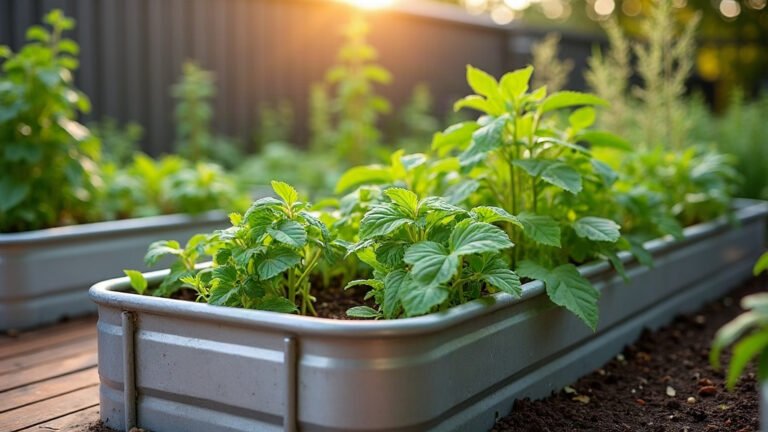
A long trough or a small raised bed suits a strip along a path or fence. It holds more soil, so it stays moist longer, and it brings the plants up to a comfortable picking height. If you’re building one, our raised garden bed guide walks through materials and soil.
In-ground beds work well when there’s a sunny garden bed right by the door. Just don’t plant mint in it.
The mint problem
Mint spreads through underground runners and will take over a bed within a season or two. Always give it its own pot. Even then, stand the pot on pavers rather than soil, because runners can escape through the drainage holes and root into the ground beneath.
Plant by how often you pick
Arrange plants by how often you reach for them, not by how they look.
- Closest to the door: the everyday herbs you grab a handful of, like parsley, chives and basil in summer.
- Middle row: herbs you use a few times a week, such as thyme, oregano and coriander in the cooler months.
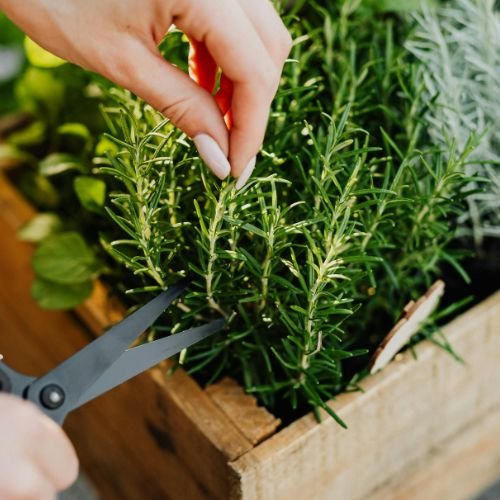
- Furthest back: woody plants you snip occasionally, like rosemary and bay. They’re also the tallest, so putting them behind stops them shading the soft herbs.
Woody Mediterranean herbs prefer leaner, drier conditions than leafy ones, so grouping them together also means you can water each group properly instead of drowning the rosemary to keep the basil happy.
How do you keep it producing all year?
Treat it as two gardens that swap over. Across most of southern Australia, basil is a warm-season plant that sulks through cold nights and dies at the first frost, while coriander bolts to seed as soon as the weather heats up. So basil goes in once the soil warms in spring, and coriander goes in during autumn when the heat breaks.
Up north the pattern flips. In tropical and subtropical areas, the cooler dry season is when coriander, parsley and dill do their best work, and the steamy wet season can be hard on them.
A few habits keep plants going longer:
- Pick from the top: pinch basil tips just above a pair of leaves and the plant branches out rather than shooting up.
- Nip flowers early: once basil or coriander flowers, leaf production slows right down. Pinch the buds off unless you want seed.
- Sow little and often: coriander and dill are short-lived, so a fresh pot every few weeks beats one big sowing.
- Replace parsley: it’s a biennial and heads to seed in its second year, so start new seedlings before the old plant gives up.
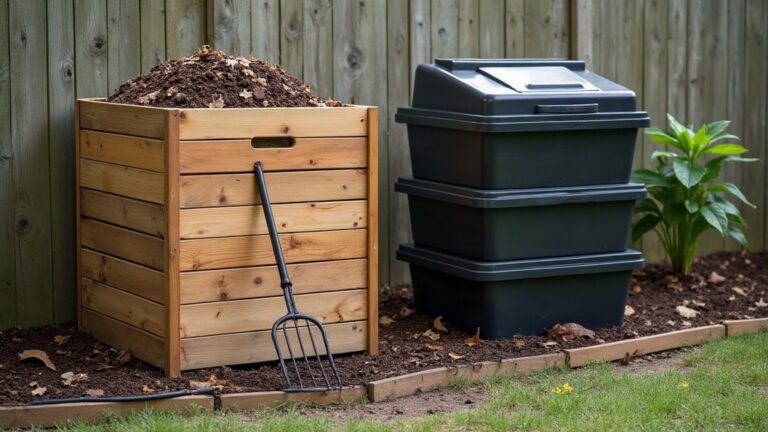
- Feed lightly: a little compost or worm castings every so often keeps leafy herbs growing. Our composting and worm farm guide shows how to make your own.
Common mistakes near the back door
The usual ones are planting in the rain shadow under the eaves, where pots miss out on most of the rain, and letting pots sit in saucers of water through winter. Watch out too for herbs crammed against the house where the gutter drips or the air conditioner outlet blows hot air across them all summer.
A herb garden you walk past every day is easy to keep on top of, because you notice when it’s thirsty and you pick it before it bolts.