Designing a Dog-Friendly Backyard: Tough Surfaces, Shade and Safe Plants
A dog-friendly backyard comes down to four things: a surface that survives the paths your dog actually runs, shade and water they can reach all day, a fence and gate they cannot beat, and plants you have checked are safe before they go in the ground. Get those right and the rest is styling.
Dogs do not use a garden the way people do. They patrol the fence line, take the same shortcut to the back door every time, and pick one spot to lie in. Design around those habits instead of fighting them.
Key takeaways
- Watch where your dog runs for a week, then harden those lines with pavers, gravel or tough turf instead of reseeding them.
- Shade and water belong together, close to where the dog already rests.
- Check the whole fence line, including the gaps under it and the gate latch, before you spend money on anything else.
- Give a digger a legal place to dig.
- Check any plant with your vet or a pet poisons resource before planting it.
Start with the paths your dog already uses
Before buying anything, look for the bare tracks. There is usually one along the fence where the dog checks on the neighbours, and another from the back door to wherever the action is. Grass will not recover on those lines while the dog keeps using them, so stop trying to grow it there.
Turn the worn tracks into proper paths instead. A strip of compacted gravel or a run of stepping pavers along the fence line looks deliberate and stops the mud. Pick a rounded gravel rather than sharp crushed edges if your dog runs flat out on it, and keep the path wide enough that the dog is not cutting across the bed beside it. Our guide to choosing between pavers and decking covers how each surface handles heat and drainage.
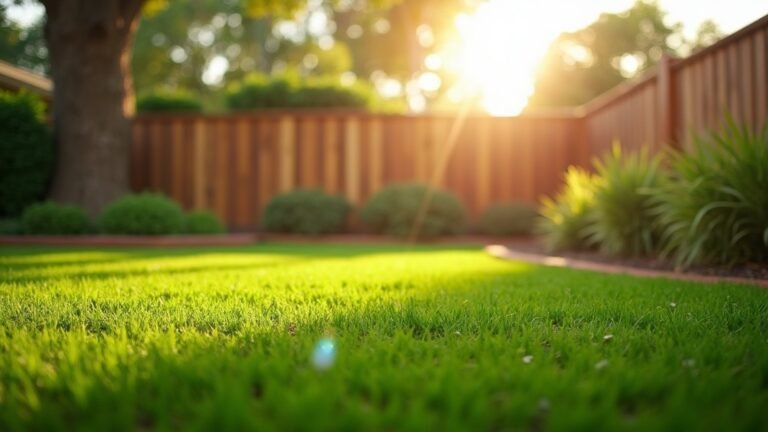
For the open play area, you have two honest options. A hard-wearing warm-season grass will take a lot of running if it gets sun, water and a rest now and then. Synthetic turf takes the wear but gets hot in full sun and needs regular hosing where the dog toilets. The trade-offs are laid out in our synthetic turf versus natural lawn comparison.
Put shade and water where the dog rests
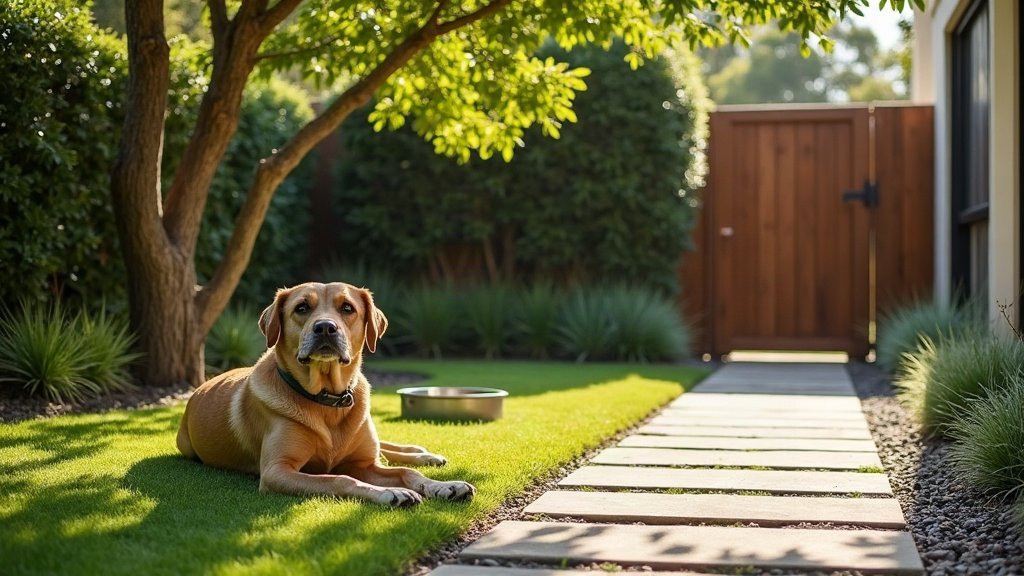
Dogs choose their own resting spot, usually somewhere with a view of the back door. Work out where that is and bring the shade to it. A tree is the best long-term answer. In the meantime a shade sail or a covered corner of the verandah does the job, and our outdoor blinds and shade sails guide explains why a sail handles overhead sun well but does little against low western sun, which is where a blind does better.
Water goes in the same shade. A heavy, wide bowl that will not tip is better than a light one, and two bowls in different places means one is always full if the other gets knocked over. If you are refilling from a hose, look at the garden tap first. A tap that drips onto the ground next to a water bowl turns that corner into a mud bath. If yours is dripping or the spout is worn, a plumber can repair or replace it; Creek to Coast Plumbing, for example, handles garden taps and hose spouts around Moreton Bay and the Sunshine Coast.
Fences and gates: check every gap
A fence that holds people in does not always hold a dog in. Walk the whole boundary and look low, for any gap where the ground has dropped or a plinth board has rotted. Fill those gaps with a buried strip of mesh or a row of pavers along the base.
The gate is the other weak point. It should close and latch on its own, so that a visitor who forgets it does not let the dog out. Check the hinges and latch, and make sure the gap underneath is too small for your dog to squeeze through. Anything climbable placed against the fence, like a bin, a pile of timber or an outdoor chair, gives a jumper a step up, so keep those away from the boundary. If you are replacing or raising a fence anyway, our privacy screening ideas cover options that also block the view of the street that sets many dogs off barking.
Give a digger somewhere to dig
Some dogs dig no matter what. Rather than lose the garden beds, set aside one spot where digging is allowed. A sandpit or a patch of loose soil edged with timber sleepers works. Bury a toy or two in it at first so the dog learns that is the good spot, and protect the beds you care about with a firm edge.
Check plants before they go in
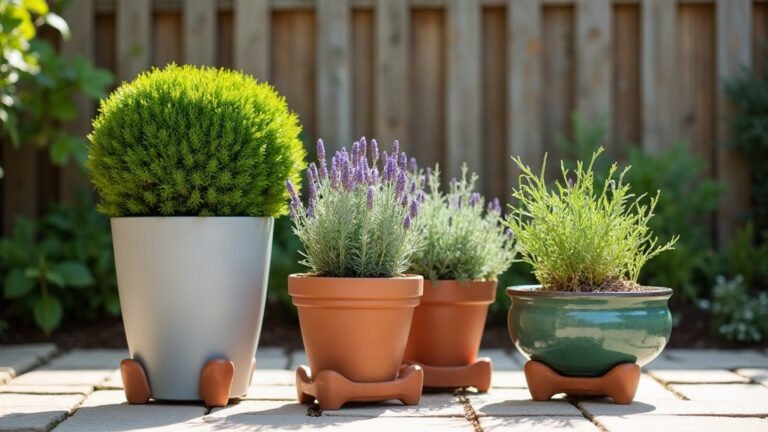
Some common garden plants are poisonous to dogs, and a bored puppy will chew almost anything. The RSPCA’s advice is to talk to your vet if you are unsure about a particular plant. It also points owners to the Australian Animal Poisons Helpline, a registered charity offering free first-aid advice and risk assessment for pets that may have been poisoned (RSPCA Knowledgebase, retrieved 26 November 2026).
Lilies are one example the RSPCA names: mildly toxic to dogs and highly toxic to cats, so leave them out if the household has both. The practical habit is simple. Write a list of what you plan to plant, check each one before you buy it, and pull out anything doubtful that is already in the yard where the dog can reach it. If you think your dog has eaten something toxic, call your vet straight away.
Where to start this weekend
Walk the fence line and fix the gaps first. Then move the water bowl into shade, mark the worn tracks for paving, and make your plant list. The surfaces and the digging pit can follow as time and budget allow.