Keeping Backyard Chickens: A Beginner’s Coop and Care Guide
The coop is the last thing you buy, not the first. Two decisions made before you spend a cent determine whether chooks work at your place: what your council actually allows, and whether you’ve got a spot that’s shaded in the afternoon, drains in winter, and isn’t sitting under a neighbour’s bedroom window. No coop, at any price, fixes a bad answer to either one.
Ring the council first
Backyard poultry is governed by local law, and those laws are set council by council. What your mate keeps two suburbs over tells you nothing about what you’re allowed to keep. Some states layer an animal welfare or public health code on top of the council rule as well.
Ask your own council these things directly, and get the answer from them rather than a forum:
- Bird numbers: ask whether there’s a cap on how many birds you can keep, and whether that cap is tied to the size of your block.
- Roosters: commonly restricted or banned outright in residential zones, which is the rule that catches people out.
- Setbacks: how far the coop and run must sit from boundaries, dwellings and your neighbour’s house.
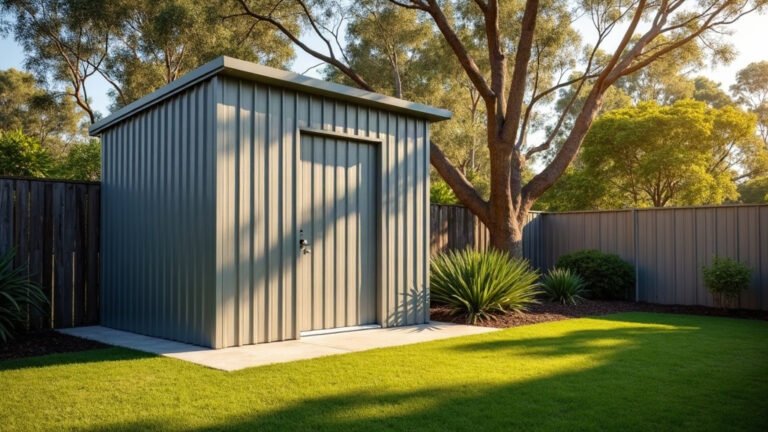
- Structure approval: ask at what size or permanence a coop stops being exempt and starts needing approval.
Your council’s local law is the authority here. Ring them, or find the animal keeping page on their website, before you build anything.
Where the coop goes matters more than what it’s made of
Pick the spot in summer, not in spring. A run that’s pleasant in September can be brutal by January. Design the spot against summer heat, because that’s the condition that gets extreme in an Australian backyard.
What you’re looking for:
- Afternoon shade: morning sun is fine, western sun from two o’clock onward is the one that does damage. A deciduous tree or the shaded side of a shed both work.
- Drainage: anywhere water sits after a decent downpour becomes a stinking mud pit, and a run you can’t keep dry is one you’ll be fighting all winter.
- Distance: smell and noise travel toward whoever is downwind. Put the run away from your own outdoor living area and the neighbour’s bedrooms, not just off the boundary line.
- Access: you’ll be walking out there every single day. If there’s no hose within reach and no clear path for a wheelbarrow, you’ll come to resent it by the second month.
Size the run, not the coop
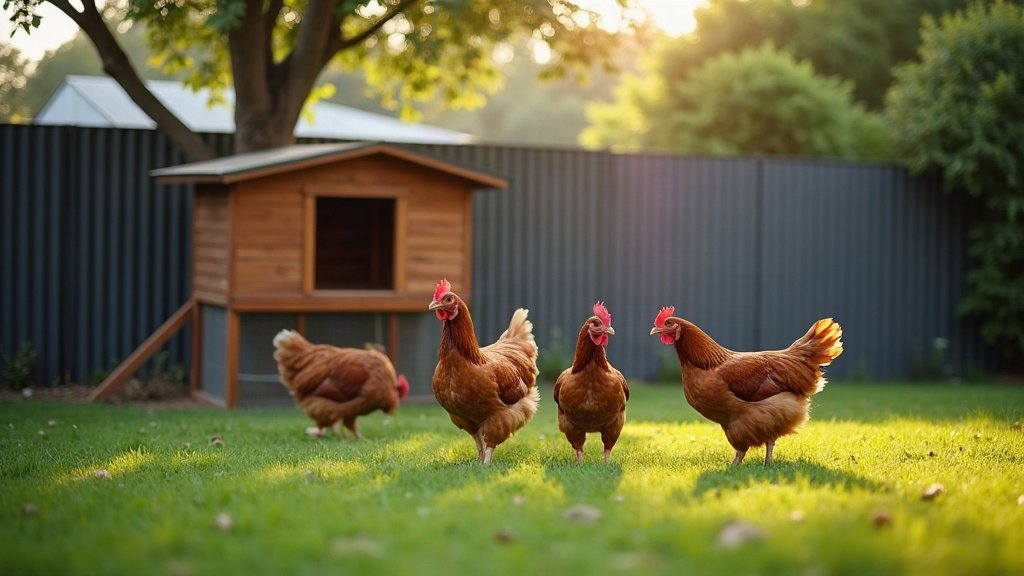
People shop for a coop and forget the birds only sleep and lay in it. The run is where they actually live, and it’s the part that gets undersized.
Inside the coop, hens want a roost bar to sleep on, off the floor, with enough length that they can all perch without arguing. Nest boxes are shared, so you need far fewer than feels right. A small flock will queue for the same favourite box regardless of how many you build.
The run is where to spend your space. A cramped run shows up fast as bare dirt, bullying and feather pecking. Some councils also set minimum floor area per bird in their local law, so check that alongside the numbers question.
Chicken wire does not stop a fox
This is the one that costs people their whole flock in a single night. Chicken wire is designed to keep chickens in. It’s thin, the hexagons pull apart, and a fox or a dog will go straight through it.
Use welded mesh instead, and build to these principles:
- Digging: foxes and dogs go under, not over. Lay a skirt of mesh flat on the ground running outward from the base and peg it down, which is easier than trenching and works better.
- Latches: a simple hook and eye can be worked open by a fox or a determined dog. Use a two step latch that needs a thumb.
- Overhead: an open run is open to birds of prey, and to pythons if you’re up north. Mesh or solid roofing over at least part of it.
- Rodents: store feed in metal bins with lids and don’t leave feed sitting out overnight. Rats follow spilt grain, and snakes follow rats.
Worth saying plainly: dogs are a predator too, including the family dog and the one next door. Build for the dog you already own, not just for the fox you’ve never seen.
What the daily reality looks like
Chooks are low effort, not no effort. Ten minutes most mornings and a bigger clean once a week is roughly the deal.
Water is the job that can’t slip. In a heatwave a flock can empty a drinker in a day, and shaded water stays drinkable while water in full sun doesn’t. Feed is layer pellets or mash as the base. Kitchen scraps are a supplement on top, not the diet, and a handful of common foods aren’t safe for birds, so check a list before you tip the scraps bowl out.
The weekly job is bedding. Soiled straw or shavings from the coop floor is nitrogen rich and ideal material for a backyard compost system, which is where most of it should end up. Fresh manure is too strong to put straight on plants and will burn them, so let it break down properly before it goes anywhere near a raised veggie bed.
Then there’s the part nobody mentions at the produce store. Someone has to do this every day you’re away. Sort out who that is before you bring birds home, not the week before you go on holidays.
Before the birds arrive
Have the council answer in hand. Have the run built, dig proofed and latched. Have shade over it and water in it. Have feed in a sealed bin and a plan for the bedding. Do all that first and the birds are genuinely the easy part.